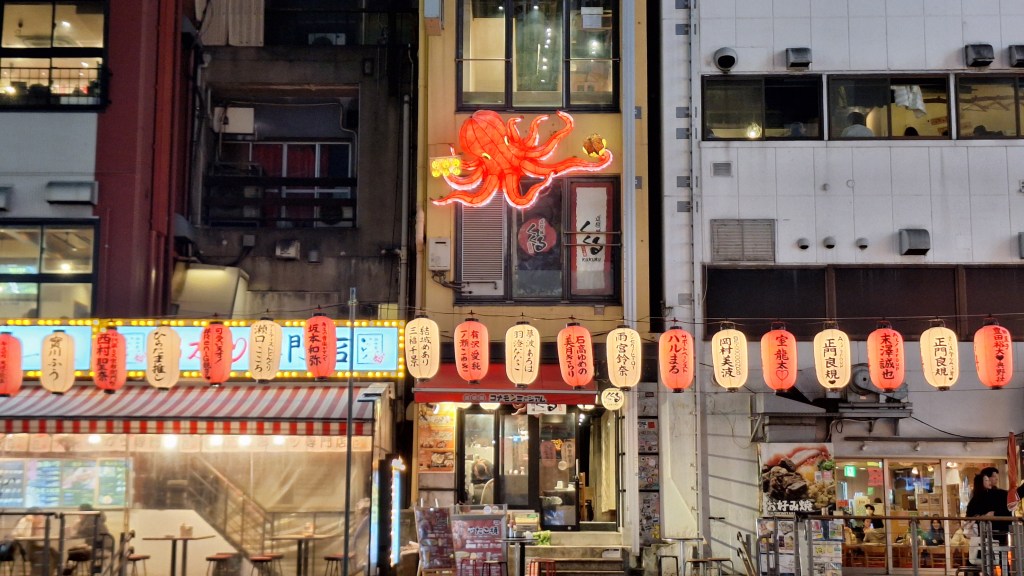
The first change we noticed was the escalators. We’d become regimented in Tokyo, magnetically drawn to the left-hand side so hurried commuters could pass on the right. It was an unwritten rule, reducing congestion and encouraging social harmony, and we’d been pleased at our prompt assimilation of the habit. How perplexing then – how dispiriting! – to find ourselves the social pariahs on our first escalator ride in Shin-Osaka. Disappointed glances from across the gulf made us sidle across with shame. You’re in our town now, those eyes declared. In Osaka we stand on the right.
An inconsequential detail, yet also a clear statement of autonomy. The second difference we remarked was on the metro itself. Bridging the broad sweep of the Yodo river, we were shocked to hear a carriage alive with chatter – no, actual laughter! Here was no unspoken edict to keep to yourself, to communicate only in hushed whispers and to never, under any circumstances, disturb your fellow transit sufferers. The Osakan subway riders were buoyant by comparison, their afternoon commute less a trial by claustrophobia and misery than a laidback interlude to an otherwise pleasant working day.
Osaka is not Tokyo, and Osaka seems to be proud of that. Its relationship to the voracious centre is like that of Glasgow or Liverpool to London: whatever you are, we’ll be the opposite, thanks very much. Tokyo is ultra-serious; Osaka likes a laugh. Tokyoites have expensive tastes; Osakans extol the bargain. And while in Tokyo ‘standard’ Japanese is spoken, Osakans holler loudly and proudly in expressive Kansai dialects. The Osakan stereotype in the Japanese media resembles that of the crass Northerner or drunken Glaswegian in Britain: rough, bold, unwittingly aggressive, prone to overeating, often drunk. Likewise they are the nation’s jokesters, cheeky, warmly sarcastic, eternally up for banter. Shrek, Scottish accented to emphasise his gruff and uncouth personality, is dubbed in Japanese by Masatoshi Hamada, a caustic comedian renowned here for his rollicking Kansai accent.
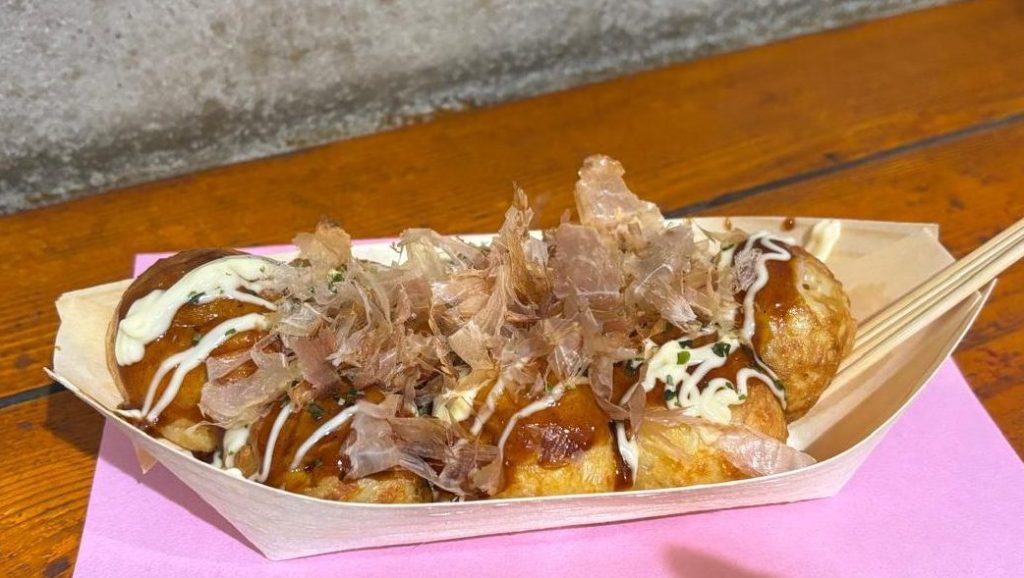
During the Edo Period, Japan’s last Shogunate, Osaka was Japan’s largest port, earning it the title tenka no daidokoro, ‘the nation’s kitchen’. From there the city’s gluttonous philosophy kuidaore (‘eat till you drop’) was cultivated, a treatment of food as no basic necessity but the central tenet to a pleasurable life. Food is valued on scales both economic and qualitative, the ideal being at the intersection of both. Why spend a fortune when great food could be found for cheap? Equally, why think only of your wallet when a little expense might bring exponential reward? One quintessential Osakan dish is takoyaki, battered balls of diced octopus topped with a Worcestershire-style sauce along with mayonnaise and dancing bonito flakes. Tasty, though prone to causing bodily harm when its molten insides explode in the mouth upon first bite. We also had kushikatsu (deep fried, panko-crumbed skewers) slammed before us by an irritable waitress in a seedy Shinsekai canteen. Comforting, calorie-dense grub, working-class in spirit and origin, though stomach-stodge when devoured in too large quantities. The okonomiyaki (savoury pancakes) we could give or take here, preferring them Hiroshima-style – though we wouldn’t learn that for a few days yet.
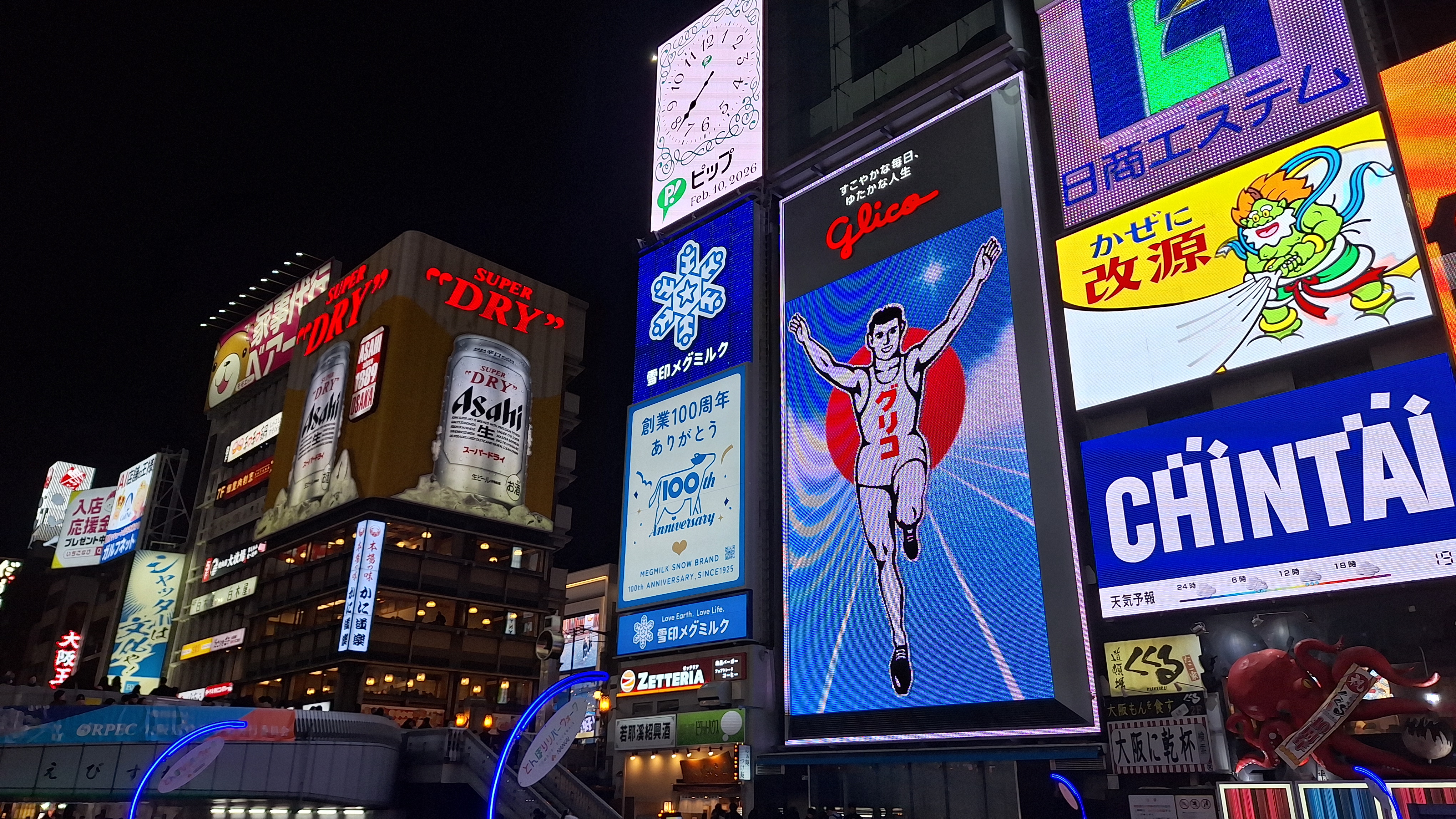
Dōtonbori, the city’s gaudy, neon-lit entertainment hub, is the district most associated with street food. Kitsch is the rule, from the giant animatronic crab above a famous seafood chain to the world’s first (and only) elliptical Ferris Wheel built into the façade of a Donquijote discount store. Most famous, somewhat inexplicably, is the Glico Running Man, an advert for the Glico confectionary company that has overlooked the Dōtonbori canal in various guises for over 90 years. Today’s LED billboard shows a runner crossing a finish line, hands held high in victory, his energy said to come from Glico’s caramel candies that promise “three hundred metres on a single piece.” It’s one of those attractions where the appeal is virality; we took some pictures because we felt we should, then went in hunt for a quiet, and therefore elusive, izakaya. In the subterranean gloom of one joint we were welcomed with heartfelt cries by four sweating chefs. We were the only non-Japanese patrons there (a good sign, surely), yet we managed only one pint and a few skewers before our neighbours’ cigarettes smoked us out. Still battling the head colds from Fuji, we retired to our hotel, leaky and wheezing, for a debauched night of honey-lemon teas and some Japanese-skewed coverage of the Winter Olympics.
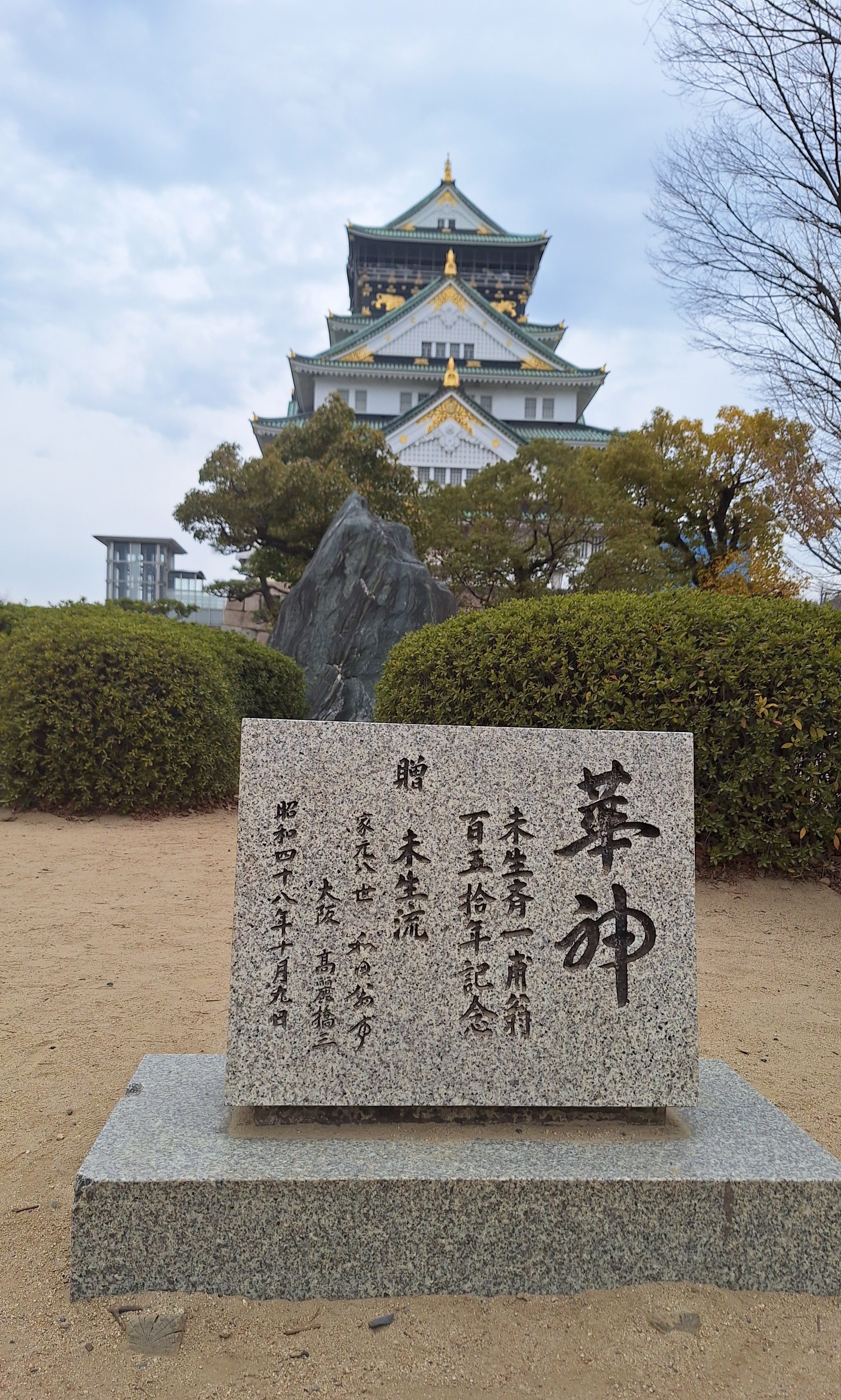
Determined to sightsee in spite of illness, we took a gander the next day around feudal-age Japan. Osaka Castle was built in the late-16th century by one of Japan’s ‘three great unifiers’, Toyotomi Hideyoshi. Had his line continued, Osaka might today be called the nation’s capital. But history intervened, as it so often does: the castle was besieged by another of the ‘unifiers’ (a strikingly un-unifying act, I’d say) who held headquarters in a fishing village named Edo, centuries later to be renamed Tokyo. The castle’s main tower was destroyed by fire in the 1660s and rebuilt in 1931 with reinforced concrete. Only the walls and moats are authentic 17th century preservations, though this didn’t seem to bother the few beaming samurai who proudly paraded the grounds in their plasticky-looking rented gear.
But we’ve yet to watch Shōgun, and my grasp of pre-1900s Japanese history was, at that point, tenuous to say the least. Plus, besides our colds we were feeling blue at having said goodbye to our friends back in Fujikawaguchiko. So we agreed, true to the Osakan spirit, to abandon all pretence and prioritise some guilt-free fun. For Ash that meant the aquarium, a vibey evening of ambient lighting and piped aquatic music. We couldn’t but marvel at the enormity of the whale sharks, though were saddened by the tank containing them, too small for such might and majesty. My own inner child was honoured with a trip to Universal Studios. As expected, it was a day spent mostly queueing with some brief, albeit intense, spurts of adrenaline. We skipped Nintendo World because the crowds looked impassable (I was never a Nintendo kid anyway), but did wait an inordinate time for ‘Harry Potter and the Forbidden Journey’, a mostly immersive 4D-ride, before indulging in some extortionate butterbeers. Ash wisely skipped ‘The Flying Dinosaur’, a nauseating flying coaster with zero-g rolls and pretzel loops that simulated the bodily experience of being crushed by an enormous rolling pin. Like all good coasters I staggered off giddy and gibbering, my cold abandoned somewhere around the second or third inversion.
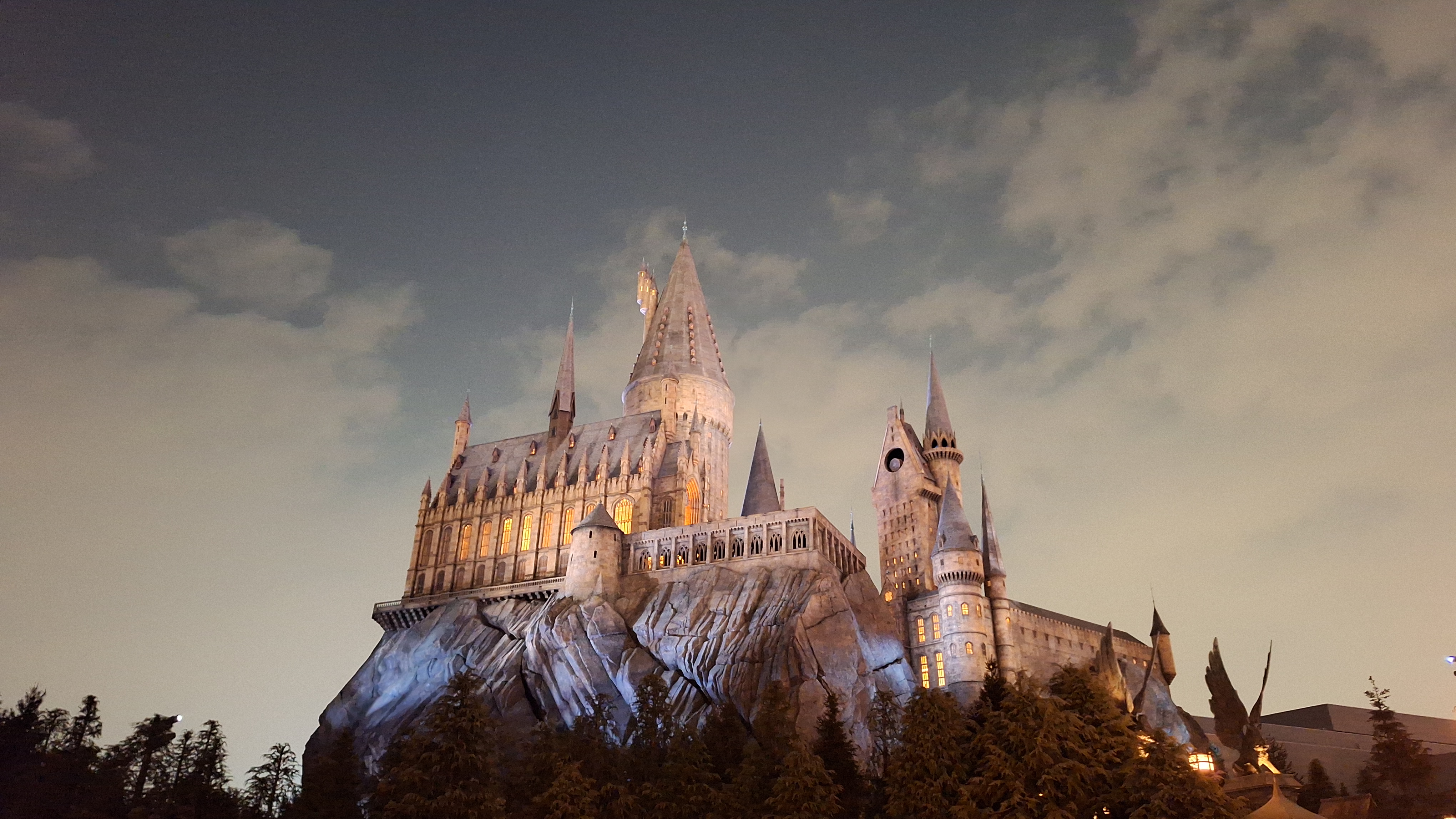
Japanese history is peppered with examples of borrowing and reinventing foreign ideas. The weekday congregation at Universal Studios reassured us that a day in an American theme park was no wasted day – indeed, there was almost something quintessentially Japanese about it. The frivolity gave us space to rally and revitalise, renewing our sense of curiosity and adventure. If not quite culturally illuminating, it was nevertheless our own way of honouring the spirit we’d come to learn was Osaka’s: joyful, unpretentious, unashamedly true to itself.


Leave a Reply