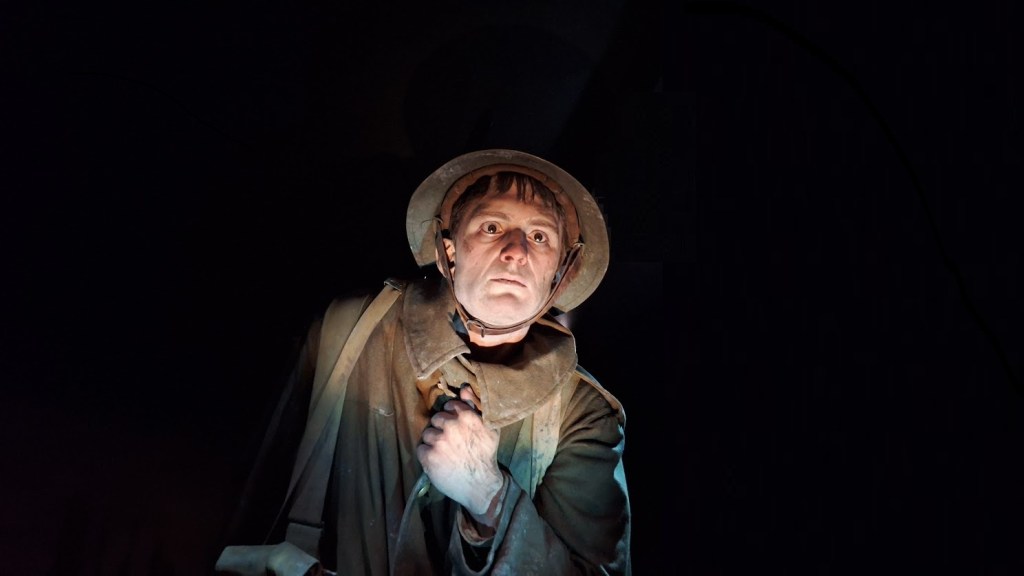
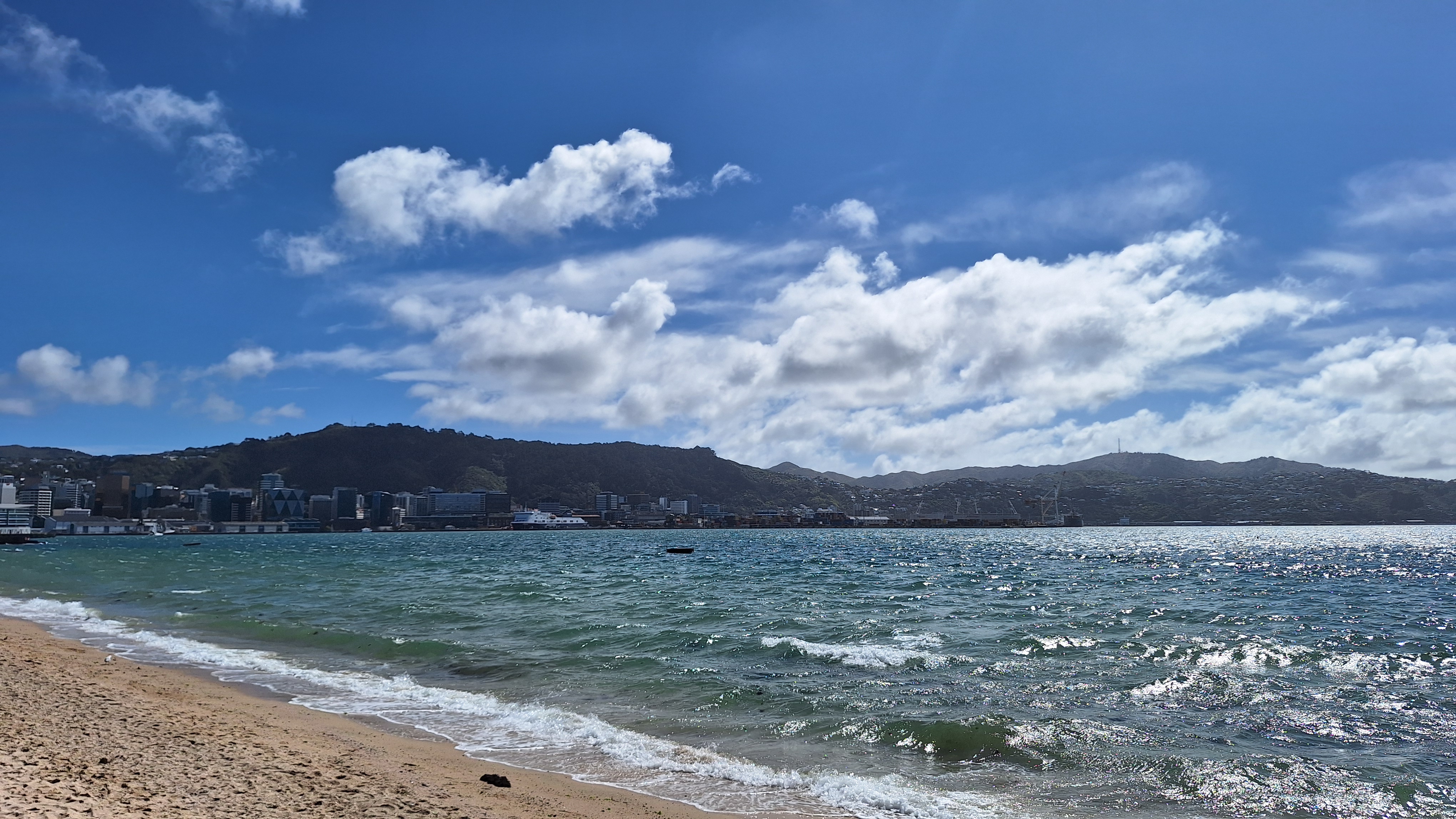
We learned first-hand why they call it ‘Windy Welly’. Poor Mitch, little more than a tin can on wheels, careened across the highway, victim of every violent gust from every passing HGV. This was our introduction to the Roaring Forties, the savage winds of forty degrees latitude that had antagonized southern navigators and explorers for centuries, blowing unobstructed for thousands of miles, ducking the Australian continent and slamming into the first landmass they encountered: New Zealand. The Cook Strait that separates North and South Islands funnels the air further; and Wellington, though tucked away in a seemingly sheltered natural harbour, sits directly in the crosshairs.
Even while fighting gale force winds, we couldn’t help falling for Wellington as we dropped into that bowl-shaped harbour and saw its sparkling skyline nestled in an alcove of green hills. The hair-raising drive hadn’t quashed our spirits, high at the prospect of a reunion with friends and that morning’s low-resolution viewing of Scotland’s entry into the World Cup. Our friends lived in Newtown, a formerly working-class neighbourhood south of the city centre that had long gone the way of gentrification. They’d left Edinburgh eight months prior, to start life anew in a white timber terrace that came with a turret and four affable flatmates. In the days we spent with them, sleeping in said turret, we re-envisioned a life we’d left behind, one defined by close community, routines and rootedness. Wellington isn’t so different from Leith or Southside Glasgow: it’s undoubtedly New Zealand’s hippest city, famously boasting more restaurants, cafes and bars per capita than New York, and is tellingly cited as the place the flat white was perfected – though its origins are not quite so single. In short, the city was a far-cry from the carparks and rural backwaters we’d been drifting through over the past month.
On a glorious spring-summer morning we accepted an invite to a yoga class atop Mount Victoria, the wooded hill that hunches over central Wellington. A wall of windows overlooked the Miramar peninsula, where model planes glided serenely in and out of the international airport. The room baked in the sun’s glare as I rolled a borrowed mat out on the softwood floors, my life raft amidst a sea of upturned, blissful faces. But unexpectedly, the hour-long session left me feeling paranoid and anxious. I couldn’t help envying the unaffected poise of our breathy yogi, and soon my insecurities were lashing out, wildly denigrating those around me as juice fasters and colon cleansers and sure-fire users of ‘namaste’ as an everyday casual greeting. Really, it was the frantic shuddering of my muscles and the squirming of my monkey-mind that had ushered me into the dark recesses of my brain, ugly realms where negativity, judgement and (self-)contempt reigned.
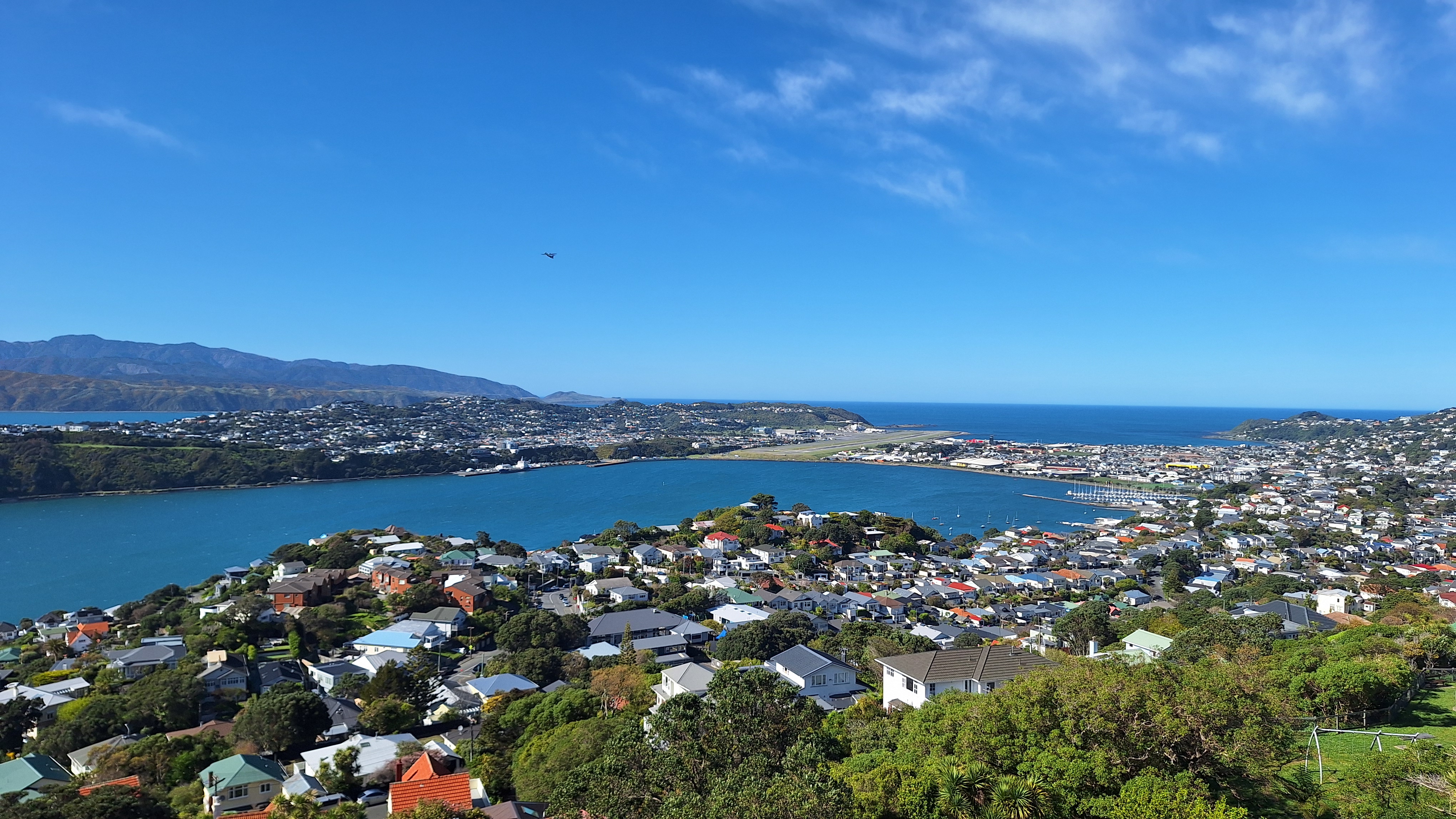
We sought more organic breathing spaces during the workday, scouring the spine of Mount Victoria for filming locations from the ‘The Lord of the Rings’. Most notable was the wooded path (“get off the road!“) where the hobbits encounter the Black Rider, though in reality it takes some imagination to conjure the scene. Their hiding place of foliage and tree roots was an addition by Wētā Workshop, the special effects and set design company which appears to act as the centripetal force of New Zealand’s film industry. Peter Jackson, shareholder and former director, still calls Wellington home, and since his successes with ‘The Lord of the Rings’ and ‘The Hobbit’ the city has added major franchises to its production oeuvre, from ‘The Avengers’ to ‘Avatar’. A somewhat controversial homage to the Hollywood sign is even affixed to the hillside by the airport: Proposals for ‘Wellywood’ were thrown out by US trademark officials and decriers of tackiness, so the sign quite factually states ‘Wellington’, albeit with a local touch – some letters taking flight on a gust of wind.
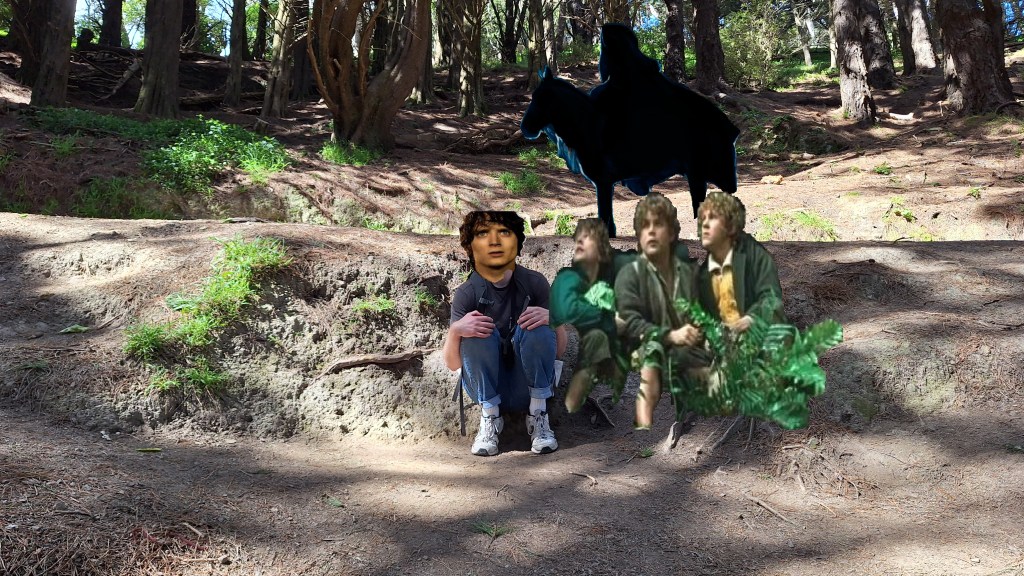
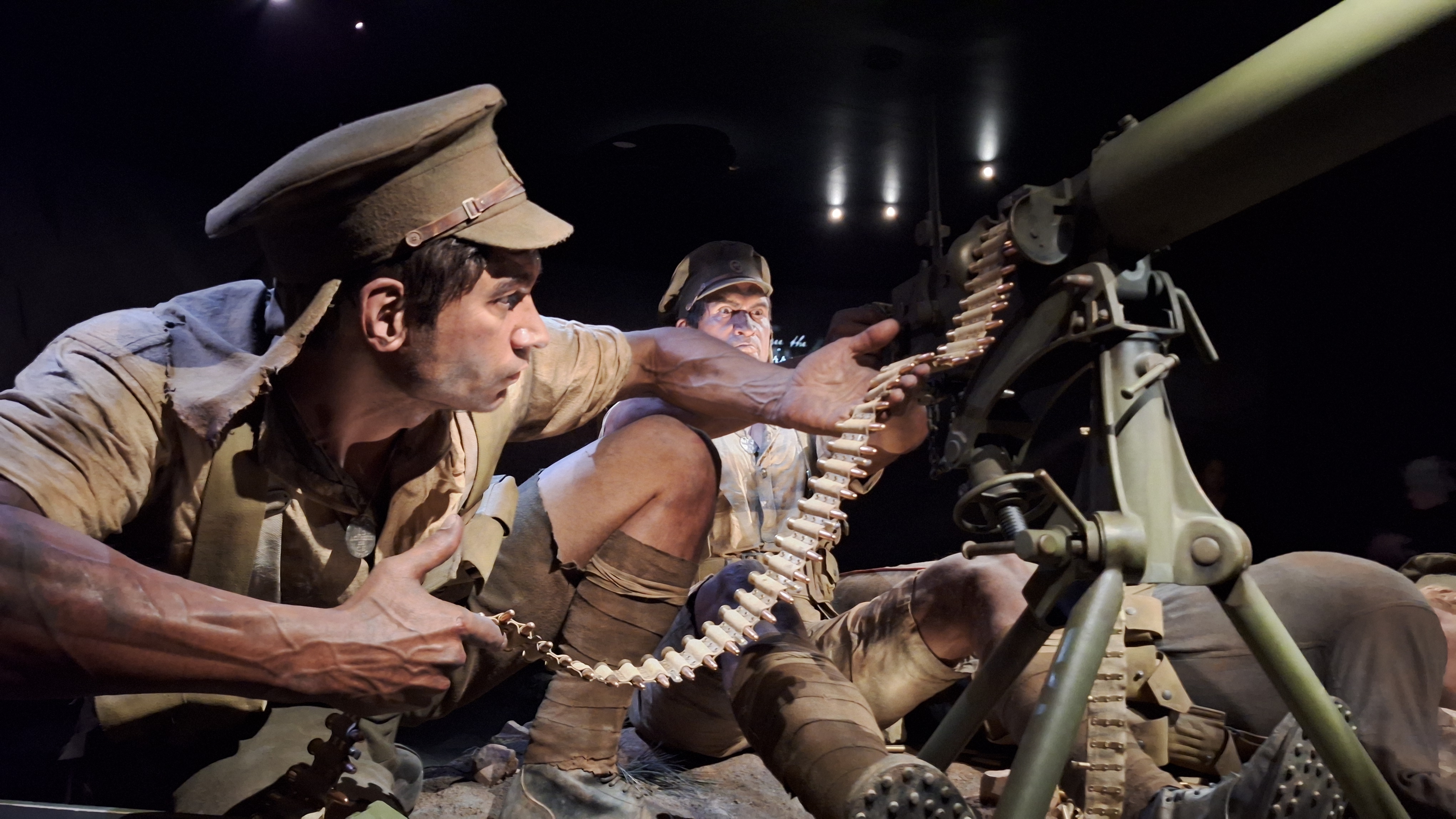
We saw Wētā’s work up close at Te Papa, probably New Zealand’s finest museum. A new exhibition titled ‘Gallipoli: The Scale of Our War’ was drawing crowds, the workshop having contributed enormous waxwork sculptures 2.4x human size. Before the exhibition I’d have pleaded ignorance to the details of the Gallipoli Campaign, an unsuccessful chapter in the Allies’ First World War offensives which doesn’t hold the same renown back home as the muddy slaughters of the Western Front. Fighting took place at the opening of the Dardanelles Strait in modern-day Turkey, an attempt to seize Constantinople and neutralise Ottoman threats to Russia’s fleet in the Black Sea, but the result was an eight month stalemate with around 550,000 casualties on all sides. Although British and Irish troops suffered more, the campaign is better remembered on this side of the world because it marked the first experience of mass casualties by ANZAC (Australia and New Zealand Army Corps) troops. The anniversary of their amphibious landing is commemorated annually on ANZAC day, April 25th, a more venerated date here than is Armistice Day. The campaign is also considered (not uncritically) as the beginning of a national consciousness amongst both New Zealanders and Australians, their forces having distinguished themselves by stoic bravery and a fiercely egalitarian ‘mateship’ counter to the ever-rigid class divisions of the British forces. My own awareness of Gallipoli stemmed mainly from The Pogues’ cover of Eric Bogle’s song, ‘And The Band Played Waltzing Matilda‘, which takes the perspective of an Aussie soldier whose debilitating wounds open his eyes to the futility and tragedy of conflict. Like all good anti-war art, it slices through militarism and jingoism, the blight of acts of remembrance the world over.
The pleasures of a Wellington life were a holiday from what had become our norm. Routine for us meant daily movement, so to find ourselves stationary again was comfortingly novel. We rediscovered the simple joys of cosy living rooms and whittling afternoons away on movie and video game marathons. The social company did us good, too. We’d been surprised to discover how isolating the road could be, where even fleeting connections proved illusive, travellers passing like silent ships in the night. Even at free camp spots, where we’d anticipated some measure of openness and camaraderie, most folks preferred to remain insulated. The chattiest and friendliest strangers we’d met were those free spirits of generations older than us; younger people – us included – seemed plagued by an entrenched reticence, unwilling to risk interactions outside their own circles, preferring the immersive glow of their phones. But in Wellington, we were fleetingly part of a community again: we brunched at Beach Babylon on Oriental Bay, crowding too many chairs around too few tables; we lazed on the harbour pier, searching the choppy waters for fabled sharks; and we joined impromptu forays to Princess Beach, submerging ourselves in the icy waters of the strait.
It couldn’t last forever. Despite the obvious draws of an easy-going life in Wellington, this wasn’t what we’d come to New Zealand for. I also couldn’t shake the unease which had clung to me since the yoga session. Towards the end of our stay we went down to San Fran, the city’s legendary music venue, where Australia’s ‘Folk Bitch Trio‘ were headlining. A drizzly balcony overlooked Cuba Street, the centre of Wellington nightlife, it’s rain-polished neon pavements making me nostalgic for the debauchery of Sauchiehall Street back in Glasgow. But something about the busy gig environment and hushed music left me in a state of mild panic. I slipped into the night for a solitary whisky at JJ Murphy’s, a bland Irish Bar down the road, absentmindedly watching the Australian Rules highlights, a game I neither followed nor understood. I craved a return to perpetual movement, a band-aid for simmering feelings of inadequacy I could ignore while responding to life on the road. Dealing with them properly could remain a task for later.
Thankfully, that morning we’d received the go-ahead we’d been waiting for: a raspberry farm in Canterbury offering us two months of picking work. I envisioned long days out in the fields, working the body and healing the mind, an admittedly glamorised vision of labour but one embedded in an honest desire for hard, rejuvenating work. A final push factor came as we packed our van to leave. A neighbouring resident descended to unduly shriek at Ash to ‘fuck off’ before he called the police. He’d assumed our parked van was evidence we’d been camping on the street for the past week, and wouldn’t accept our excuses of visiting friends, his own neighbours. His vitriol highlighted a tension in New Zealand we were aware of: a country reliant on tourism yet struggling to cater for its own, a domestic economy faltering, an inability to plug a brain drain across ‘The Ditch’ to Australia. We knew the issues and sympathised with them; similar exist back home, like the popularity of the NC500 which has overwhelmed local residents and infrastructure alike. But to be on the end of such unfettered viciousness, when we only do our upmost to camp legally and responsibly, wounded us more than we’d care to admit.
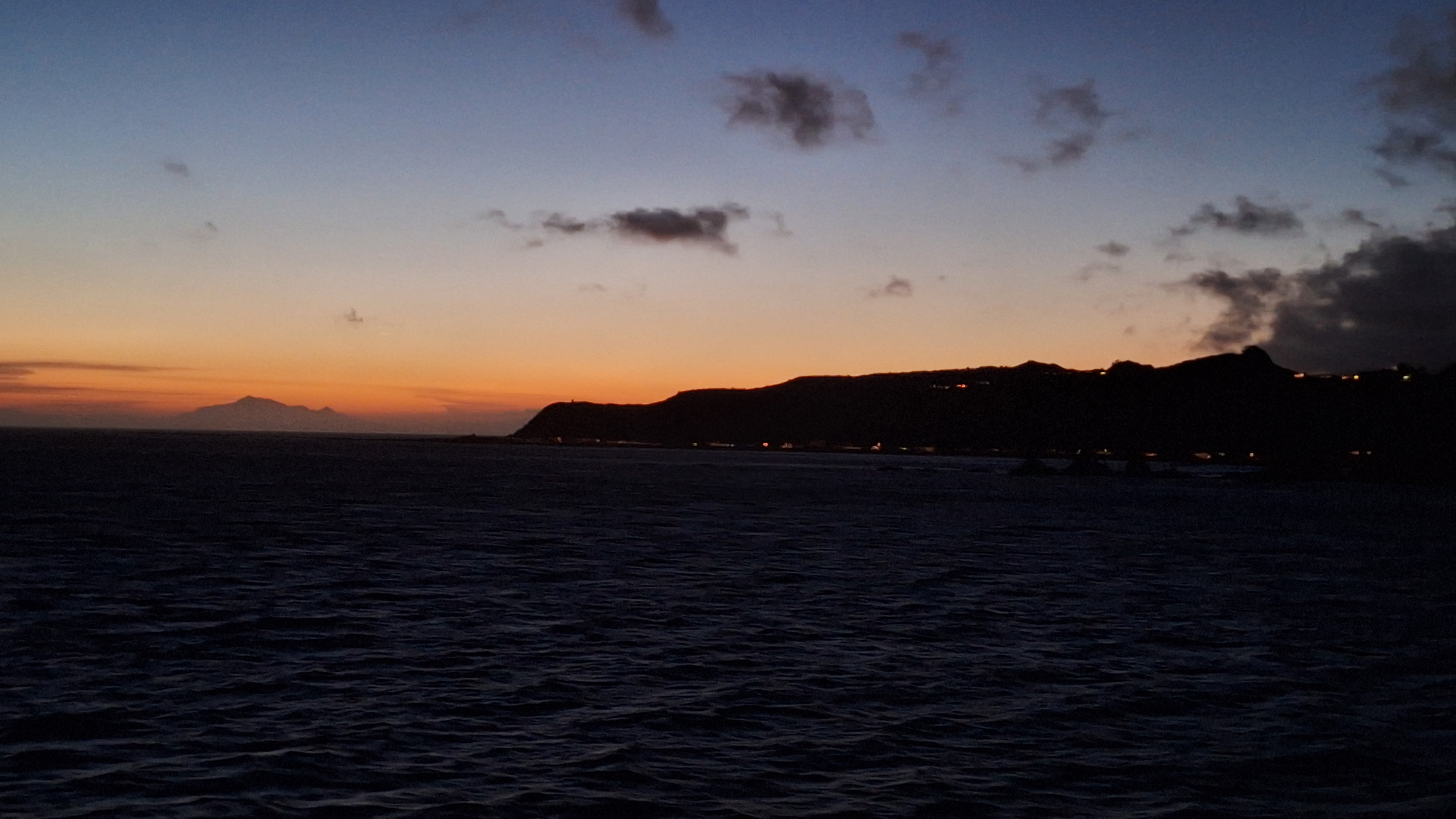
We crossed the Cook Strait at night, standing out on deck as Wellington disappeared round the bay and orange curtains descended over the Western horizon. The crossing was bumpy, though not as bad as we’d anticipated. Only when the ship turned into the Strait proper did the wind let rip in its fullness, forcing us to retreat inside for warmth. The unsettled waters rocked us to sleep as a faint shadow of land approached – the other half of New Zealand, awaiting us.


Leave a Reply