Whenever anyone sets out to travel the world, they probably imagine themselves in an Instagram-ready montage, thriving amidst life-altering experiences, enduring connections and limitless growth. We certainly did, before we came to New Zealand. What most of us don’t fantasise about are the things that go wrong in travel. We don’t imagine the loneliness or the aimlessness of life on the road, or the times of disappointment, nor do we envisage ourselves facing problems similar to those we faced back home. It takes the benefit of hindsight to recognize that the low moments are vital, for they are what we learn most from. Paradoxically, it often takes the worst for us to adapt and change for the better.
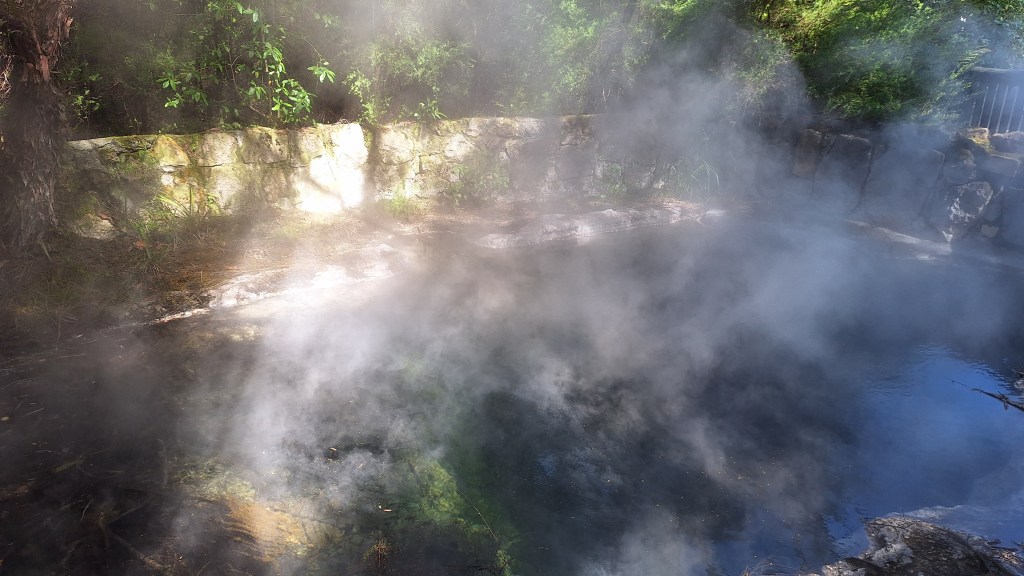
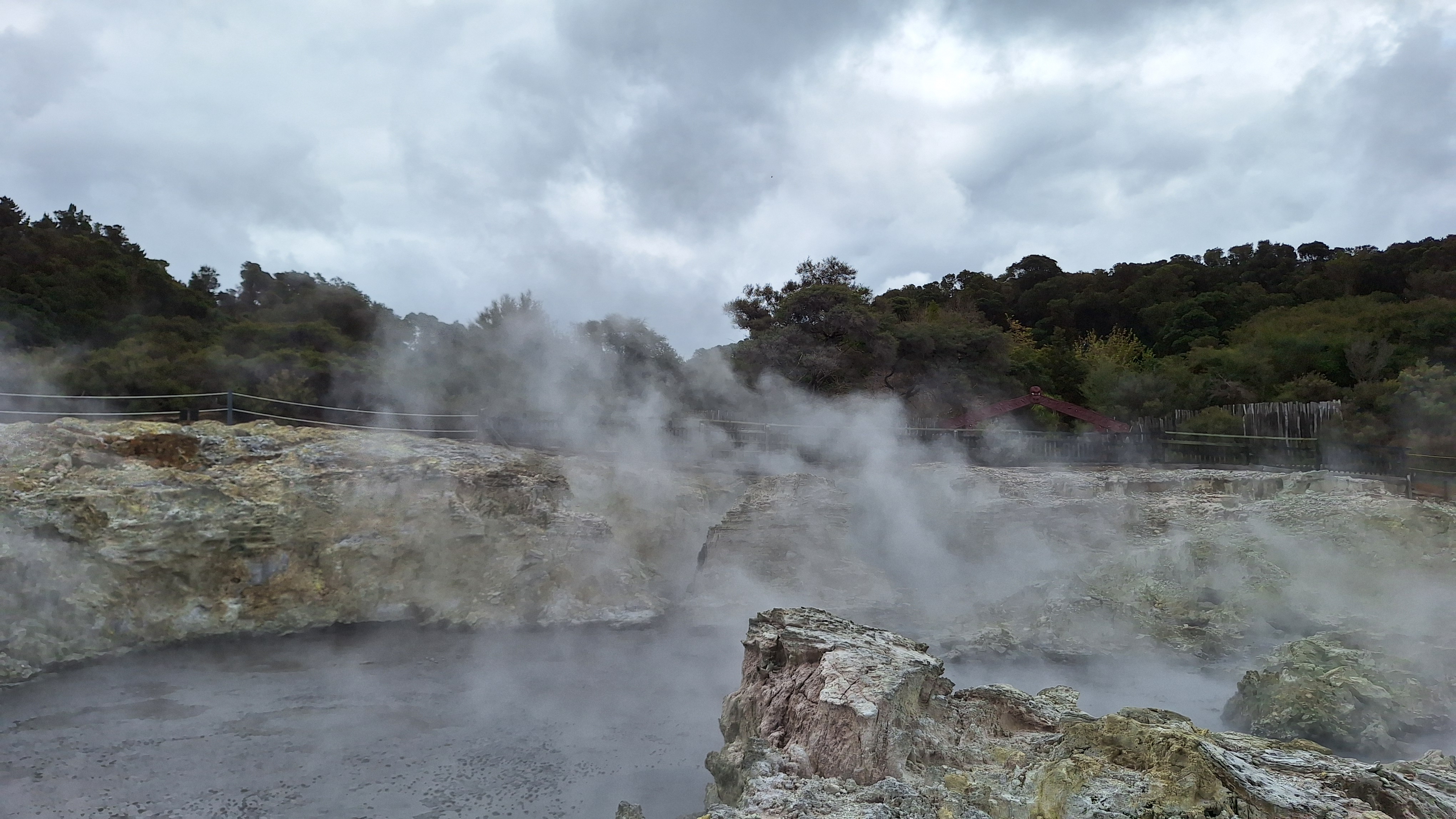
We smelled Rotorua before we saw it, an overwhelming stench like rotten eggs that hit our nostrils as we approached the suburbs from the south. We hadn’t been warned about the city’s signature stink, so, once we’d ruled out bodily cause, we assumed it was just a nearby gasworks. What we didn’t know then was that Rotorua lies in the Taupō Volcanic Zone, a literal hotbed of geothermal activity. The earth’s crust is thin here, and the omnipresent stench comes from the hydrogen sulphide that belches out of geysers and fumaroles dotted across the area. The thermal waters of Rotorua have attracted tourists for generations, braving the nauseating smell for the health benefits of slapping oneself in sulphuric mud or wallowing in a naturally simmering pool. But it wasn’t leisure, rather work that had brought us here. In the month that followed, the overwhelming stench would fall far down our list of grievances, fading into the backdrop of bigger problems to come.
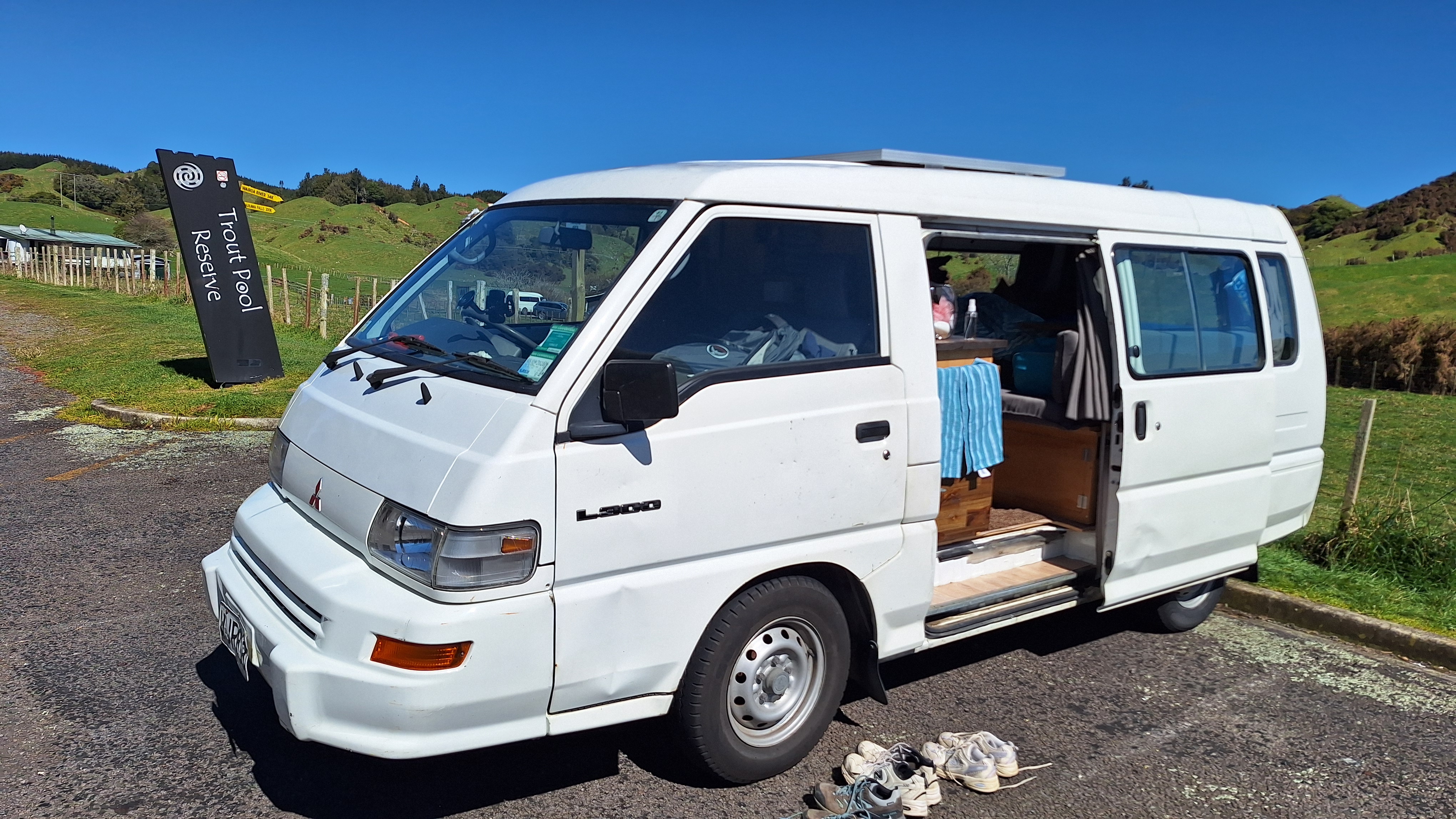
We’d finished our whistlestop tour of Northland a week prior, having returned to Auckland to pick up our new home, a self-contained Mitsubishi L300 we’d named ‘Mitch’. Since then we’d been on the road, drifting aimlessly across the Waikato and the Bay of Plenty, sending out job applications as we went. We’d made a stop in dreary Hamilton, empty on a drizzly Sunday; had sheltered in sleepy Kawerau beneath the green slopes of Mount Edgecumbe; had even floated as far south as Lake Taupō, born of a massive volcanic explosion some 25,000 years ago. But our resolve was beginning to weaken: the challenge of adjusting to a new routine on the road with what still felt like someone else’s van had been compounded by a week of near incessant rain and freezing nights. Money wasn’t yet an issue, but the desire for structure was. So when we received a call from a holiday park in Rotorua seeking two park assistants for the summer, we accepted the job on the spot.
The first weeks were like those of any new job, with an overfocus on personal performance that meant now obvious red flags were ignored. The variety of the work appealed to us, from cleaning toilet blocks and rooms, to folding sheets, trimming hedges, emptying bins, chlorinating pools and painting fences. It wasn’t glamorous, but it was busy and physical, the kind of work we’d fantasised about while stuck in the doldrums of our careers back home. Our timing was an issue early on, however. Being detail-oriented individuals, the idea of half-arsed, unthorough jobs make us bristle, yet this was the only way to get through the work in the timeframes demanded of us. While we knew the holiday park was a budget destination, we weren’t quite prepared for the levels of resigned mediocrity. The facilities hadn’t been updated in years, and though we kept them as clean as was possible, the lack of investment was unconcealable. The staff too seemed equally fatigued, with a tense, awkward atmosphere prevailing over the enforced coffee breaks. The managers’ pervasive negativity seemed to radiate outwards, infecting us and even the guests, so that an atmosphere of sadness seemed always to reign over the park. Worst of all, prejudicial comments about the demographics of our guests went unchallenged, as did our managers’ flagrant backchat about colleagues, leaving us in no doubt that we too were the subject of conversation the minute we left the room.
Extant social issues outside the perimeter also crept in. New Zealand as a whole has a housing problem, but Rotorua in particular has a reputation for homelessness. Having built its name on tourism since the 19th century, the city was hit hard by the Covid-19 pandemic, with the once glamorous motels that line Fenton Street left empty and desolate. Emergency housing initiatives were introduced to turn tourist accommodation into temporary homeless shelters, an effort at both curbing the spread of the virus and propping up the hospitality economy. But conditions inside the motels were poor, with exorbitant rent prices and some tenants even preyed upon by gang members employed as security staff (an extended report by 1News can be seen here). The emergency housing model was recently ended by Rotorua’s right-wing mayor, but the undomiciled populations who flocked to Rotorua during the pandemic have remained and now set up their homes outside the shop fronts of the CBD. Many calls received at the holiday park were WINZ (Work and Income New Zealand – benefit supported) in search of a permanent site, but all were refused. We already had a full set of permanents, an eclectic and amicable bunch who kept mostly to themselves at the back of the park, their caravans appendaged with gazebos and awnings that spilled across every inch of their allocated space. As for Rotorua’s gang problems, we saw or heard little save for the occasional cortege of motorcyclists bombing along the highways.
All that being said, Rotorua was, geographically speaking, a good place to be situated. On our days off (of which we had plenty – one thing we couldn’t complain about was the working hours) we managed a trip up to the Bay of Plenty where we ascended Mount Maunganui (this was months before the horrific landslide) and caught a chilly sunrise at Waihi beach. On the days when we stayed in town, we would read at the airy, well-stocked library, stroll lakeside through Government Gardens or around the redwoods forest, or simply dangle our toes in the free footbaths at Kuirau Park.
It was, in other words, neither the city nor its challenges that tainted our experience. The enduring downer was always the job. Simmering doubts about haphazard training and dysfunctional management styles began to boil over when we were suddenly expected to perform the work as quickly and efficiently as seasoned co-workers. Mistakes were picked up on (we welcomed feedback that was constructive) but it was galling to see our colleagues getting away with the same ‘errors’ we were chastised for. One of these colleagues was fairly non-communicative with us, and in our first week we’d actually been warned by management to be wary of them ‘sabotaging’ new staff (talk about a positive team environment!). Faux-friendliness masked obvious distrust amongst all parties, leaving us uncharacteristically paranoid and suspicious.
We lived and worked on site, so during our worst shifts it felt like there was no escape except for the occasional foray to Pak n’ Save. We tried to resign ourselves to the fact that we’d never perform the job well, but it’s only normal to want to feel effective in a role, and we couldn’t be blamed for getting frustrated by the constantly shifting goal posts. A good shift would leave us feeling like we were getting to grips with the job, only for us to be invited in for a ‘chat’ the next day, at which point we’d be confronted with new errors, new rules we’d apparently broken (some of which hadn’t existed the day before), new reasons to feel utterly incompetent. This all culminated in a sudden onboarding of responsibility one afternoon: we were left in charge of the park while management went into town, with no previous experience of juggling office tasks and cleaning and managing the antiquated booking system. We were entirely unprepared for the barrage of inquiries that came in, and the manager had to be called back to assist in what was an unendurable end to the shift. We sat in the van afterwards and vowed we’d do better next time, when really we should have been asking ourselves if all the grief was worth it.
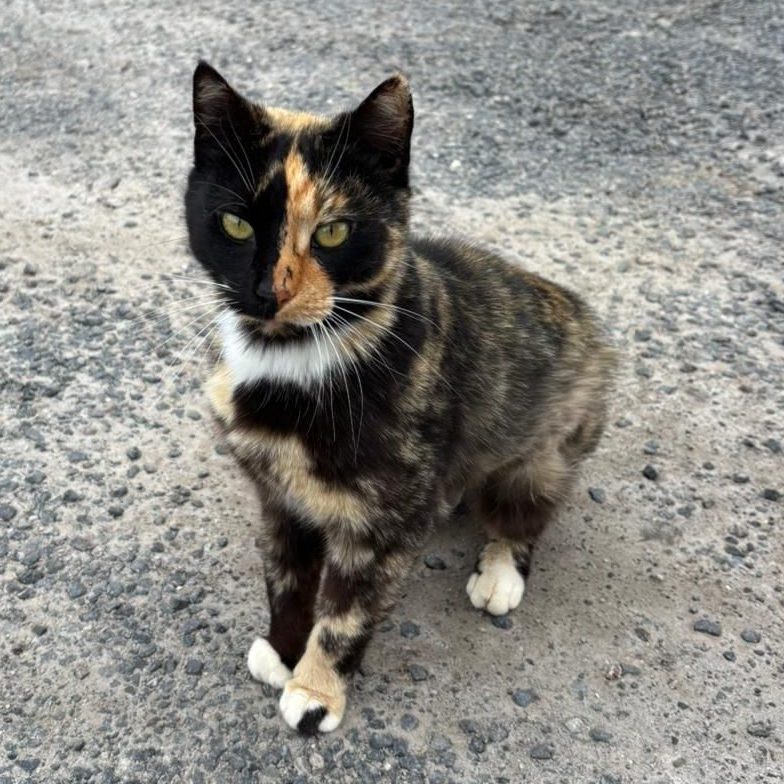
Granola was one of the few positives of our time there. She wandered into our lives one cold and clear evening, a sociable little calico cat, frightfully skinny and balding on her hind legs. She had a lovely nature and was far from feral, so we presumed she was a lost domesticate rather than a stray. Frankly, how she survived in the wild was a mystery to us. We watched from our van one afternoon as she was taunted by a blackbird, staring on stupidly as it hopped and danced around her, unsure whether to attack or flee, managing neither. It was Ash who named her Granola on account of her colouring, and who began feeding her against the explicit commands of the park managers. Granola was at least wise enough to become attached, and though she’d disappear yowling into the darkness each night, the next morning she’d be at our van door for breakfast, and would pop by during our lunch breaks as well.
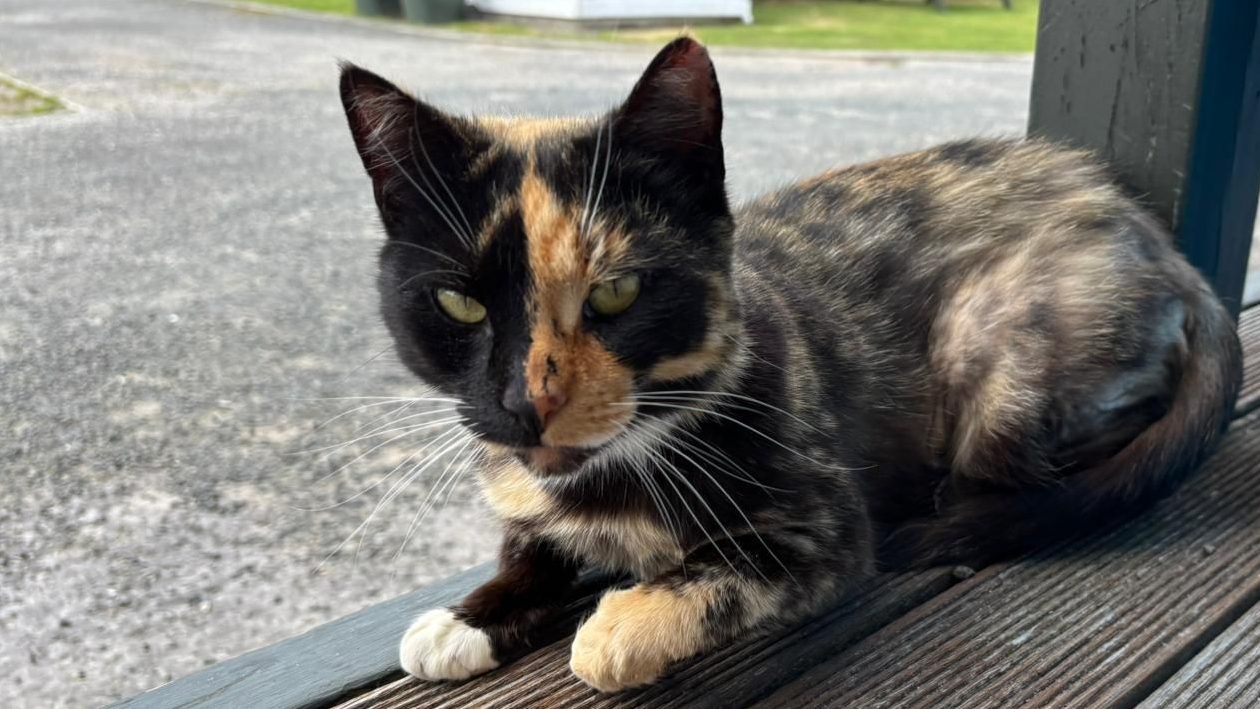
She was a small sprinkle of sweetness in an increasingly unsavoury situation. After about a month of growing misery, we finally reached our limit. We were sat down once again to dissect a shift which had, by all accounts, gone objectively smoothly. A list of mistakes was once more presented – mistakes which now began to resemble clutched straws – followed by a bewildering accusation that we’d usurped the responsibilities of our non-communicative colleague (that same whom the manager had labelled a saboteur). Hearsay and gossip were brought up in a manner more befitting a high school than a professional working environment. We were too shocked to be incensed, but we saw the writing on the wall clearly enough. Rather than subjecting ourselves to a ‘sit-down’, which we deemed not only unnecessary but in fact demeaning, we elected to quit the job there and then. To our surprise the manager seemed, for the first time, quite cheerful. Everything was amicable enough, only a little too much so for us not to be suspicious. Neither of us could claim to be the best holiday park assistants in the world, but the job wasn’t exactly difficult and we’d evidenced our hardworking natures and desires to improve. We were, at that point, good enough in the role to suggest replacing us would be more hassle than keeping us. The unbothered response to our decision signalled to us that our efforts at improvement were actually unwelcomed; we weren’t quite being set up to fail, but neither were we encouraged to succeed. We conjectured about it for weeks afterwards, and eventually came to a working theory that we were pawns in a wider game management were playing with the owners of the park concerning the lack of funding and absence of reliable long-term staff besides backpackers like us.
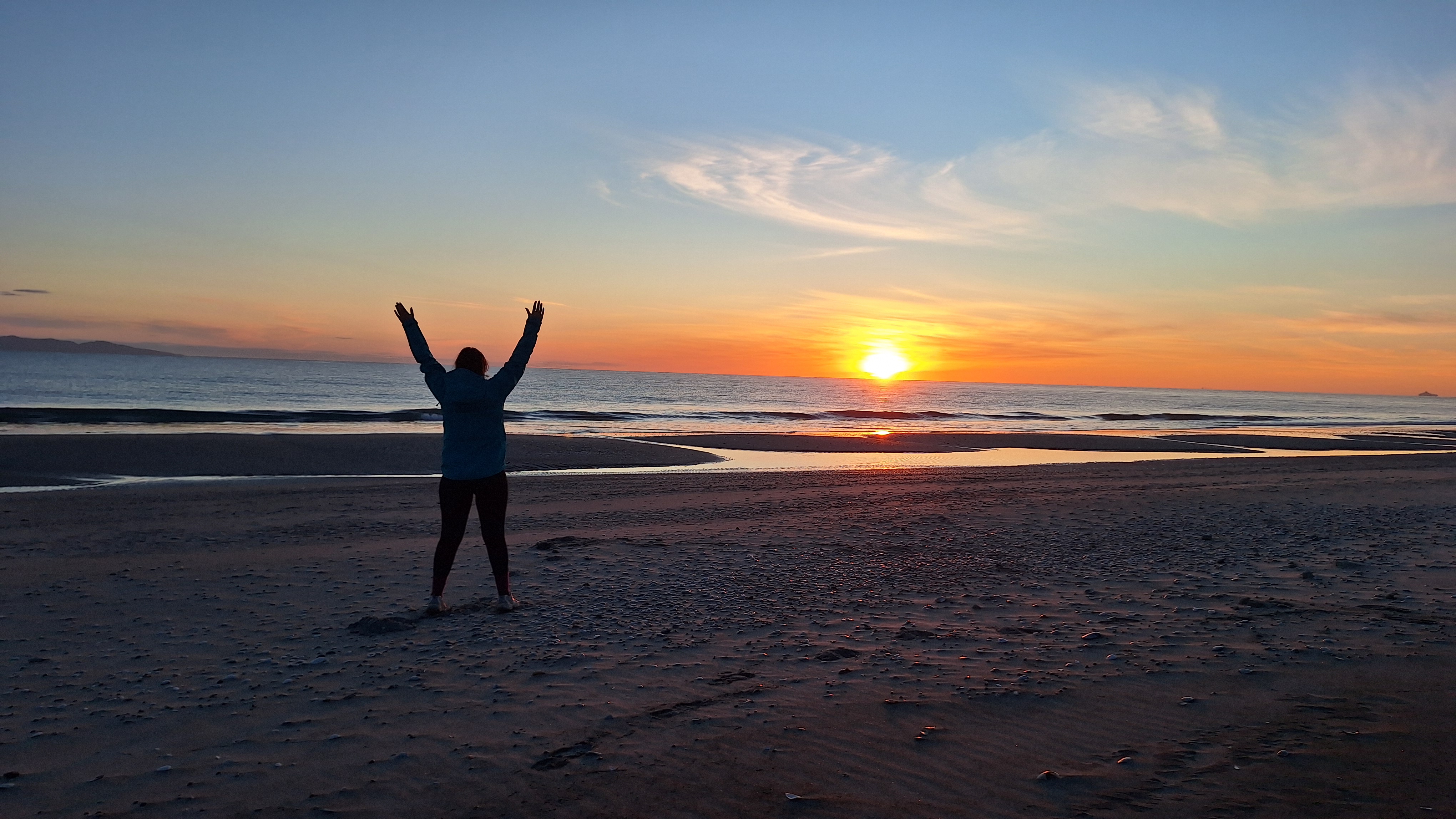
Whatever the truth, it was undeniable that a sizeable weight fell from our shoulders the minute we drove out of there. Only then could we reckon with just how stressed and angst-ridden we’d become in our futile attempts at pleasing a manager who we now realised wasn’t willing to be pleased at all. Sadly, by that point Rotorua had been tainted for us. We returned our library books, grabbed a few groceries, filled Mitch with petrol, and fled. It was a gorgeous day, and we camped on a peaceful bend of the Waikato River, about 50km from Rotorua, watching the sun drop gently into the water as if it was a hot bath. We were embittered by the experience, having only wanted to do a good job and earn some drama-free money, but we couldn’t help but relish the return to freedom after such a claustrophobic month.
We were just glad we’d seen to Granola before we left. We’d bought a cat carrier from Kmart a few days before, and had lured her in with the breakfast she’d now come to expect, whisking her off to a local vet. Besides a few indignant yelps, Granola didn’t seemed phased at all; indeed, she seemed peacefully content at the opportunity for a change of scene. When she disappeared into the back of the clinic to be examined, we didn’t realise it would be the last time we’d see her. The vet told us they’d keep her there and would be in touch, but only after some follow up calls could we ascertain the details of her story.
Granola was chipped, against our expectations, but she’d somehow been living as a stray for two years. Her former owner was contacted, but had decided not to take her back; perhaps it was an economic decision, or perhaps they’d simply become used to not having her around. She was taken in by a cat rescue shelter up near Tauranga, and we monitored their Facebook page for any updates for weeks. Only after a month did a post emerge, reassuring us that Granola was alive and well and being rehomed. A photo showed her cosy and happy, fluff growing back on her hind legs. The post thanked the two kind backpackers who had gone out of their way to help her.
It was a positive resolution to our month in Rotorua, a month that had given us some perspective on how we approached work. We knew now what we weren’t willing to put up with, as forcing ourselves through each day in a toxic workplace was simply not what we’d come to the other side of the world to do. The rest of the country awaited, as did a host of other jobs for us to try out and potentially enjoy, potentially detest. No matter – it’s not a failure to quit what’s not for you. For both us and Nola (as she was now called) this was an opportunity to move forwards to something new and unknown, though undeniably brighter.

 Dead Academic
Leave a comment