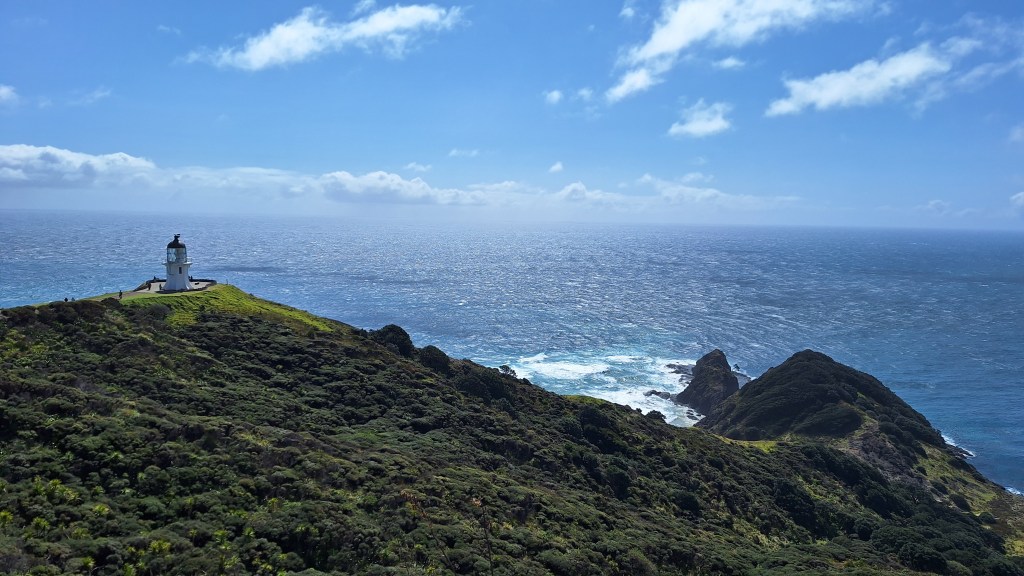
Cape Reinga, at the northern extremity of New Zealand’s North Island, is an unforgiving place. Winds swirl above crashing tides as the Tasman Sea collides with the might of the Pacific, crests of foam pushing ethereally against one another in seeming defiance of nature.

The site is tapu, spiritually sacred in Māori tradition, for it is here that the souls of Māori dead depart Aotearoa for their homeland of Hawaiki. Grassy cliffs narrow to a rocky spine that falls towards the turbulent sea. Here, a single pohutukawa tree clings to the rock, leaning out into emptiness. It is said that spirits enter the underworld through the pohutukawa’s roots, from which they journey to Three Kings Islands, around 55km to the north. After re-emerging for a last glance back at their loved ones, they descend once more for the final journey to their homeland.
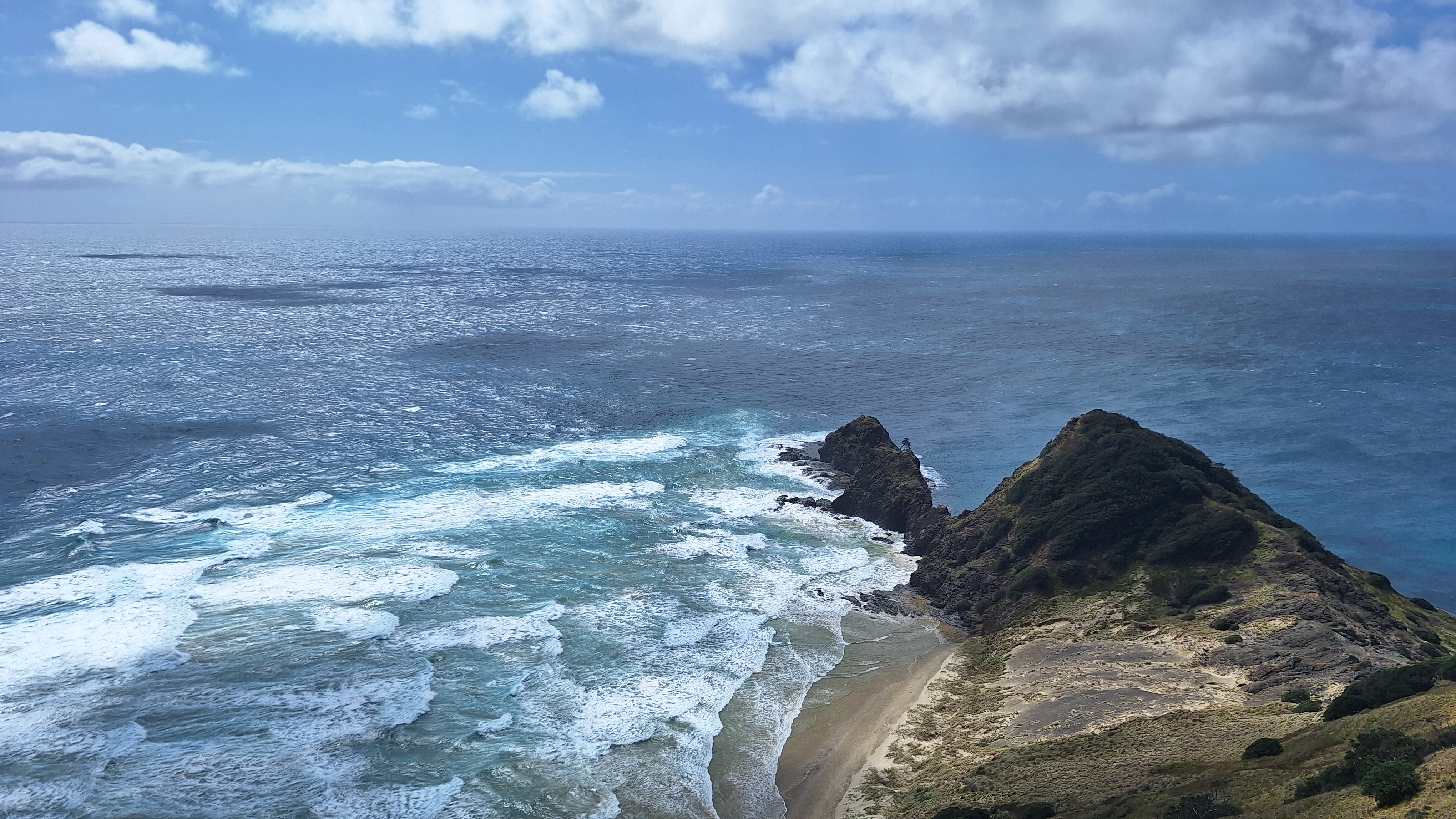
Even for us secular visitors, there was something undeniably powerful about the place. It’s easier to comprehend mythical thinking in the face of astounding scale, in places where human beings seem beholden to forces far surpassing their power and comprehension. It seemed quite plausible to us that the billowing gales were the charge of exiting souls, brushing us aside in their headlong rush away from the land of the living.
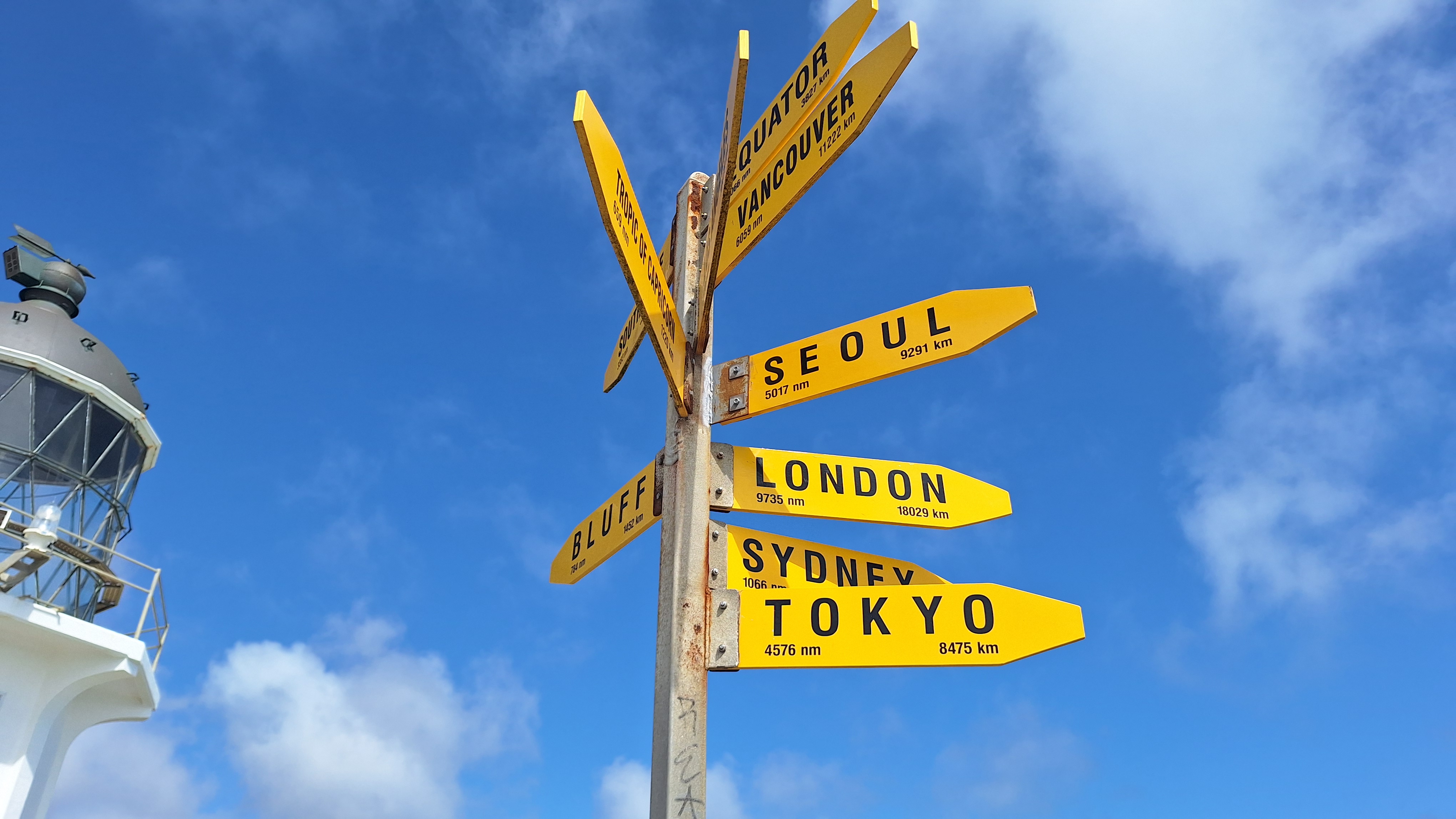
Gazing across the eternal water, we found ourselves thinking of our own homeland, immensities of space away – space that, no matter how many maps we traced, never seemed quite so inconceivable as it did standing there, gazing into the empty horizon, awestruck at the sheer enormity of the world.

 Dead Academic
Leave a comment