
The Waitangi Treaty Grounds are a suitably impressive setting for the birthplace of a nation. Pristine lawns flow down to the sun-speckled waters of the Bay of Islands, while in the distance the pretty white buildings of Russell – once a thriving port dubbed the ‘Hell hole of the Pacific’ – gleam serenely. It was on this lawn, on 6th February 1840, that a treaty was formally presented to a group of Northern Māori chiefs concerned about European land speculation and the possible colonial ambitions of France (many Māori were Anglican converts naturally allied with Britain). The Treaty was supposed to guarantee regulation of land purchases and protections in exchange for the Crown assuming governance over New Zealand.
Two treaties were drafted, an English and a Māori version, but the translation was inconsistent. Unlike the English text, which grants full sovereignty to the British Crown, the Māori text seems to guarantee ongoing authority for the chiefs, with the British acting only as administrators. Furthermore, given that Māori was primarily an oral language at the time, many among the chiefs would have relied on the rhetorical input of the Anglican missionaries who were there to encourage its signing. The treaty, therefore, remains contentious: it may have established a lasting partnership between Britain and Māori people, but grievances concerning how it was enacted persist to this day. A dedicated Waitangi Tribunal was established in 1975 to settle ongoing disputes, while New Zealand’s politicians routinely champion the treaty’s ‘spirit’ or ‘principles’, carefully sidestepping its more contentious nuances.
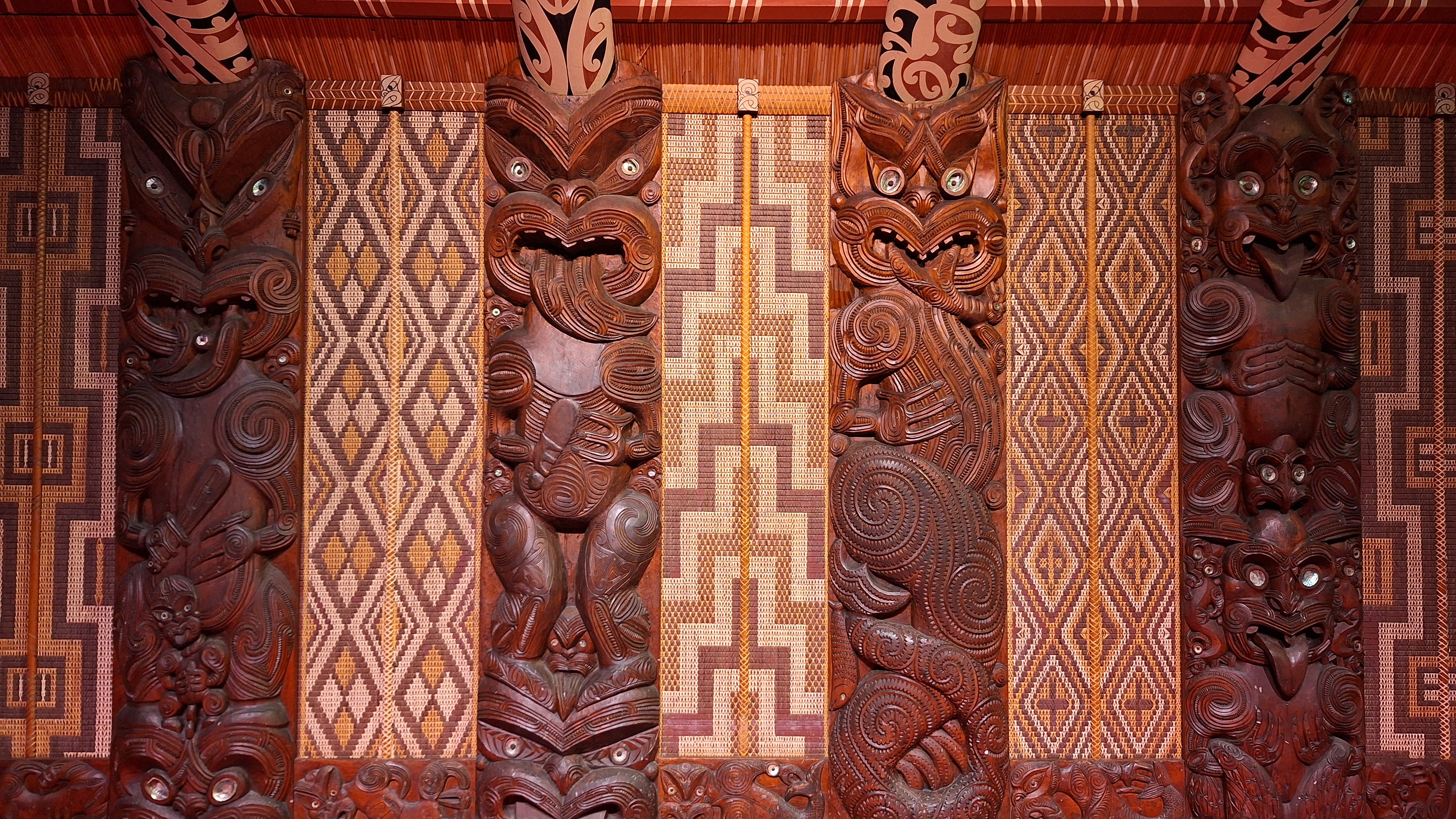
As part of our tour we were invited into the marae, or meeting house, where we witnessed a kapa haka, a Māori cultural performance. The songs (waiata) and dance (haka) – including the impressive poi – were captivating. Yet I couldn’t help feeling self-conscious as a white, European spectator. This was a new experience for me, navigating the tricky intricacies of a post-colonial society, one in which my own ancestors might easily have been viewed as oppressors. I reminded myself that every culture makes a performance of itself, that the bagpipers on Princes Street are there for tourists seeking an easy exhibition of ‘Scottish-ness’, and that this does not negate the authenticity of the artform. I was there to witness a culture new to me, and my undivided attention was more valuable than any navel-gazing, self-flagellation or guilt-mongering.
The Waitangi Treaty Grounds are understandably celebratory in their presentation of the treaty and the nation it birthed, but New Zealand is not a perfect country, and the effects of historical injustices are still seen and felt today. As interesting as the site is, the narrative of a nation is far more intricate than any museum can adequately capture. It plays out beyond the walls of such places, in communities where people live and work and struggle, far from the prying eyes of tourists like me who risk oversimplifying complex dynamics only understood by those who exist within them every day.

 Dead Academic
Leave a comment