
We were glad to get out of Auckland, if only for the day. The city lacked the vibrancy we’d expected of New Zealand’s economic capital, and despite the jungle of construction sites in the CBD pointing to the concentration of wealth, the streets felt eerily empty. Strange too was the lack of any intermediary between the centre and the endless sprawl of sleepy suburbs, such that the sudden transition from skyscraper to terraced housing was jarring. Given everything we’d read about rocketing rent prices and interminable traffic jams, it felt like a city buckling under the weight of its own ambition.
But then nobody visits New Zealand for its cities. We’d come for the open country in all its variety, and just 40 minutes ferry ride away we found it for the first time. Waiheke Island out in the Hauraki Gulf is New Zealand’s third most populated island, after the North and South Islands themselves. The houses, a mix of the millionaire and the everyday, are concentrated on the western half, a tangle of settlements strewn across hillsides and framing the endless bays that in summer are swarming with day-trippers from across the gulf. We were off season, yet the sky was a canopy of blue and there was considerable heat in the early spring sun. As a result, we were treated to the island at the height of its beauty but with a tranquillity most visitors wouldn’t experience.

From the Matiatia ferry terminal we linked up with Te Ara Hura, a 53km walkway looping the entire island. Besides an initial detour through bush to avoid the high tide, the path hugged the jagged coastline, swooping over grassy hillsides with views across the sparkling gulf before dropping into sudden shadowy inlets. Yachts cut foamy paths around the brown volcano of Rangitoto Island and the Auckland skyline was a silvery smudge in the far distance. As we walked, gregarious birds whistled over our shoulders and flitted before our faces, astounding us with their friendliness. We were especially taken by the red-crowned parakeets, nestling in the trees in flocks, their lime green bodies bursting into a flurry of colour upon take-off.
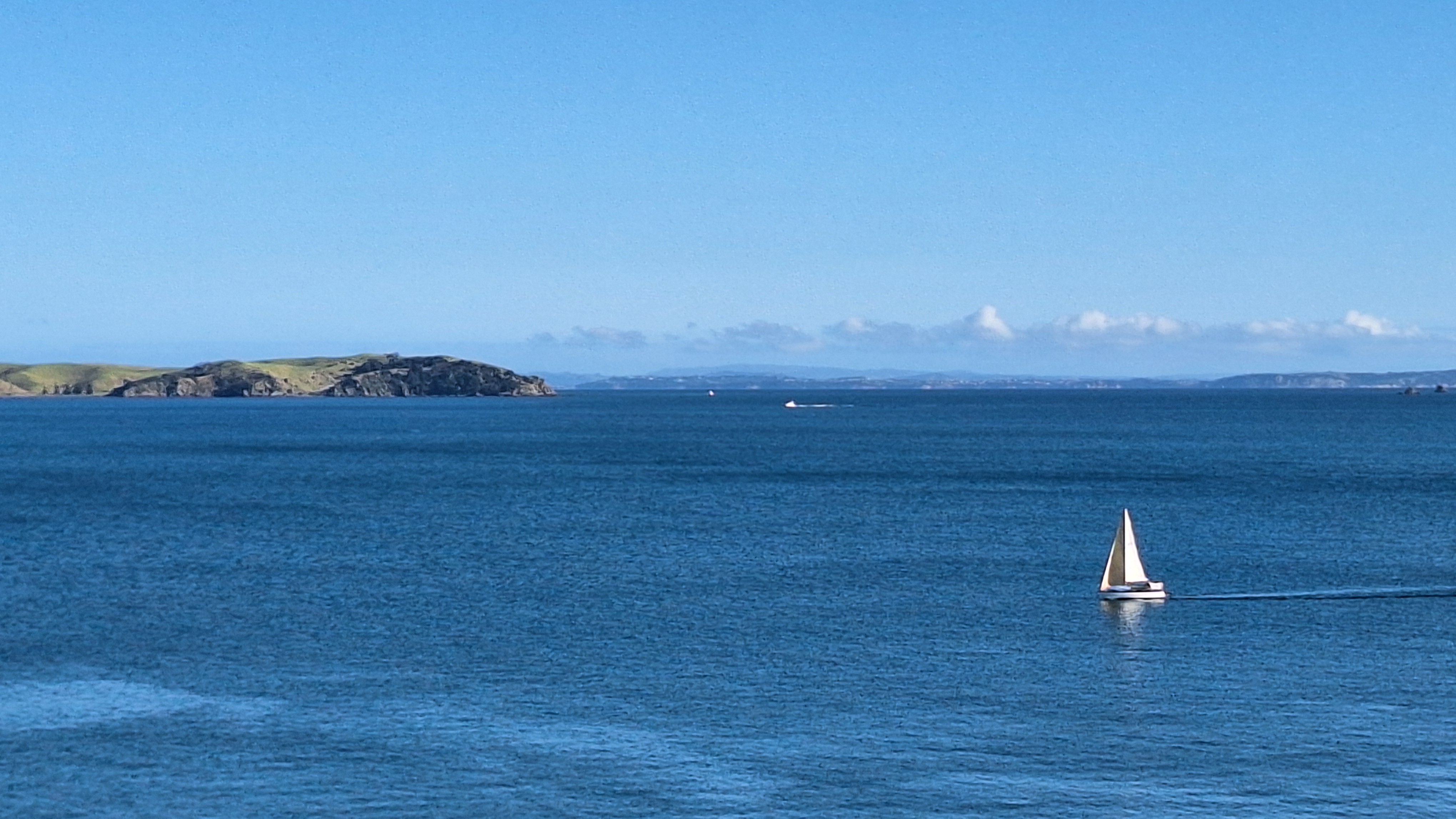
With the sun and the scenery we felt our perspectives change. A confined AirBnB with pernickety hosts and the drizzly September weather had taken its toll, but the sun on our faces and the gentle lap of the blue water before us cast a warm glow on the adventures ahead. We had to remind ourselves that although our bodies were naturally gearing up for winter, it was early spring in New Zealand and the best days were yet to come.
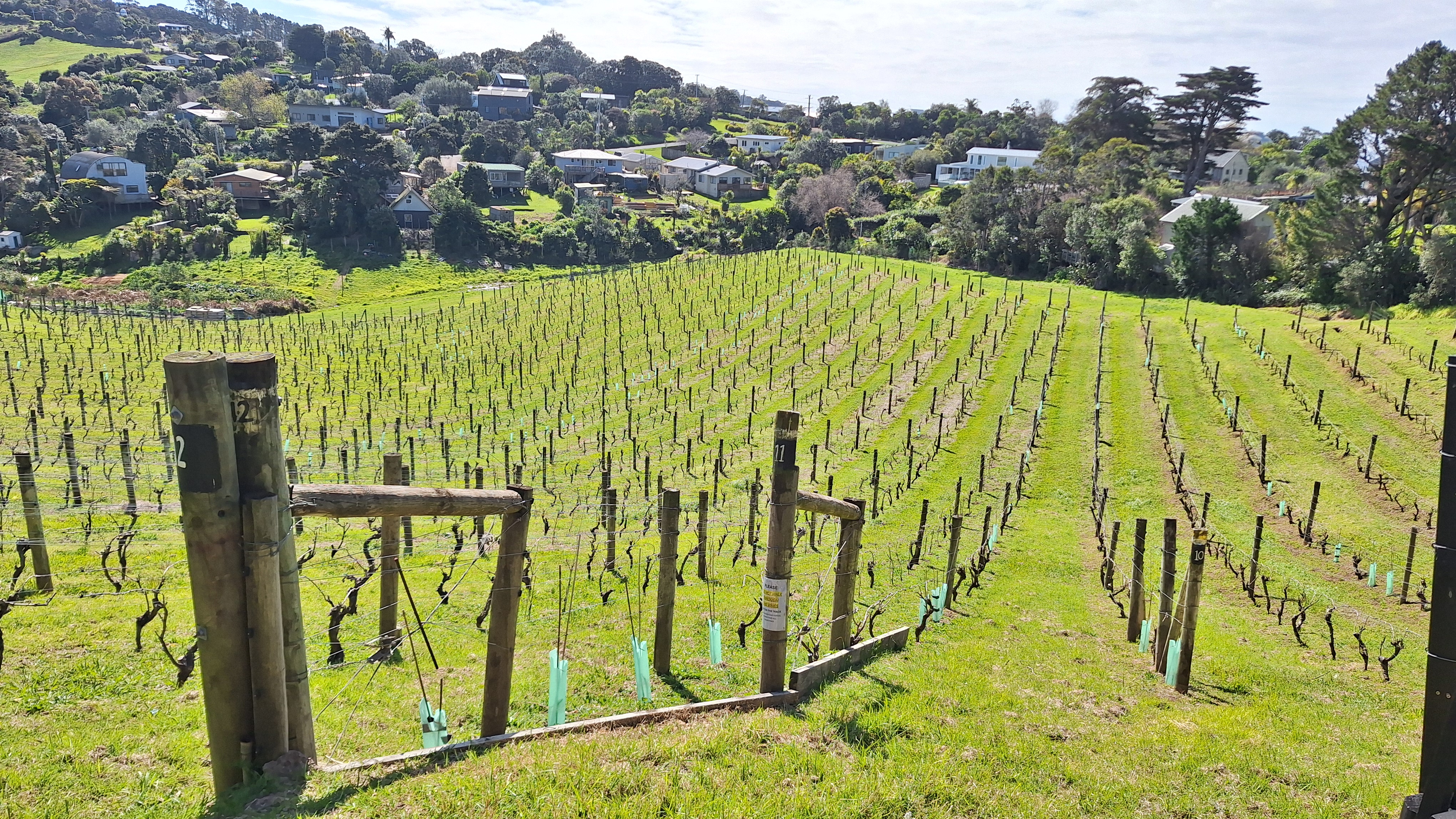
After an increasingly undulating route, the trail cut inland along tarmac road to meet Oneroa, the main island settlement bordering a curving, white-sanded beach. In the height of summer it would have been crowded, but we were among the few who strolled there, looking out north-east to the silhouette of Great Barrier Island. After coffee on a sunny terrace we continued on, following the trail round the bays and rocky coves, up into dense bush and along sleepy suburban roads. A few sweaty hours took us to Palm Beach, a cheerful little settlement where we abandoned the track and caught the bus east. Outside, the houses gave way to sloping vineyards, the groves skeletal and barren after winter.

Midday was passed and only a few locals walked their dogs along the broad stretch of Onetangi beach, where our bus terminated. Though only halfway along the island, this was the last built-up area, the eastern, more rugged side given over to viticulture and a former WWII gun emplacement built in anticipation of a Japanese attack on Auckland that never came. A short hike up from the beach took us to Casa Miro, an acclaimed Spanish-themed vineyard celebrated for its red Bordeaux. This we drank, with a procession of other pairings, while eating tapas in an airy courtyard overlooking the uncultivated groves. Amongst few other diners we stayed until closing, jaunting off down the hill to catch our bus, merrily tipsy and lighter in spirits than we’d felt in days.
Bouncing back along the windy roads, I found myself wondering semi-philosophically how the beauty of the island could ever be reconciled with the humdrum of everyday life. We shared the bus with kids heading home from school, dozy and daydreaming and preoccupied with their phones, undeterred by the surroundings which to us had appeared paradisical. With the weather improving they’d soon be headed for the beaches after school to swim in the sea. To counter the pangs of envy, I reminded myself that problems existed here as everywhere else – I’d read, for instance, that with second homes and holiday lets booming, homelessness was a plight among the island’s year-round population. And plus, there was a part of me (small, admittedly) that felt almost sorry for those kids, for whom much of the rest of the world would surely be a disappointment compared to this. Perhaps we were the lucky ones, grateful for the sun even on a cool day, accustomed to rain and seas where bathing counts more as adrenaline sport than leisure.
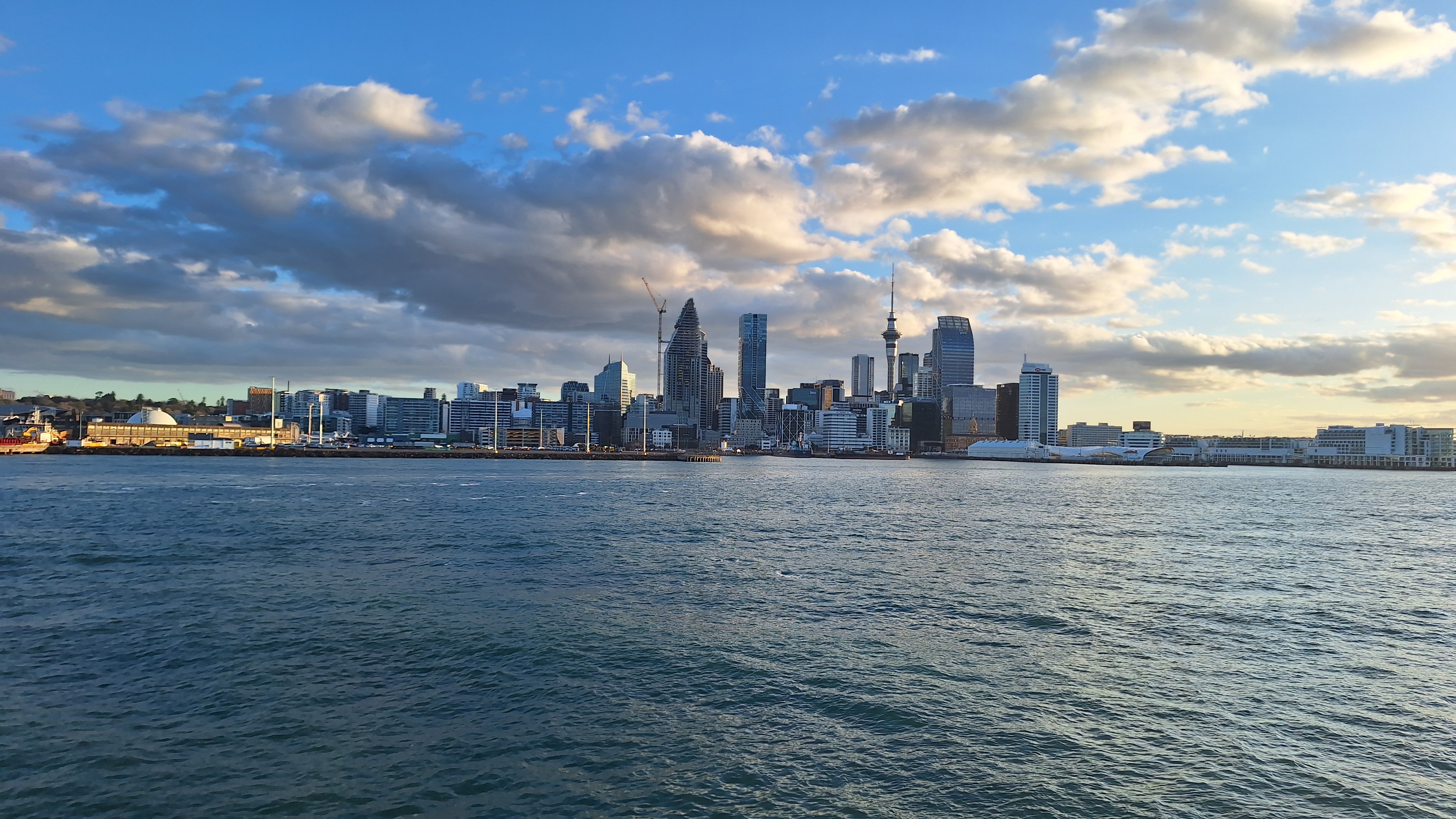
It was a packed ferry back to Auckland. We braced ourselves on the top deck, buffeted by the winds of the gulf and struggling to keep our feet. But sun-kissed and refreshed, we found something to appreciate of the skyline that rose to meet us, the big lights of Auckland beginning to glimmer in the yellow dusk of early spring.

 Dead Academic
Leave a comment